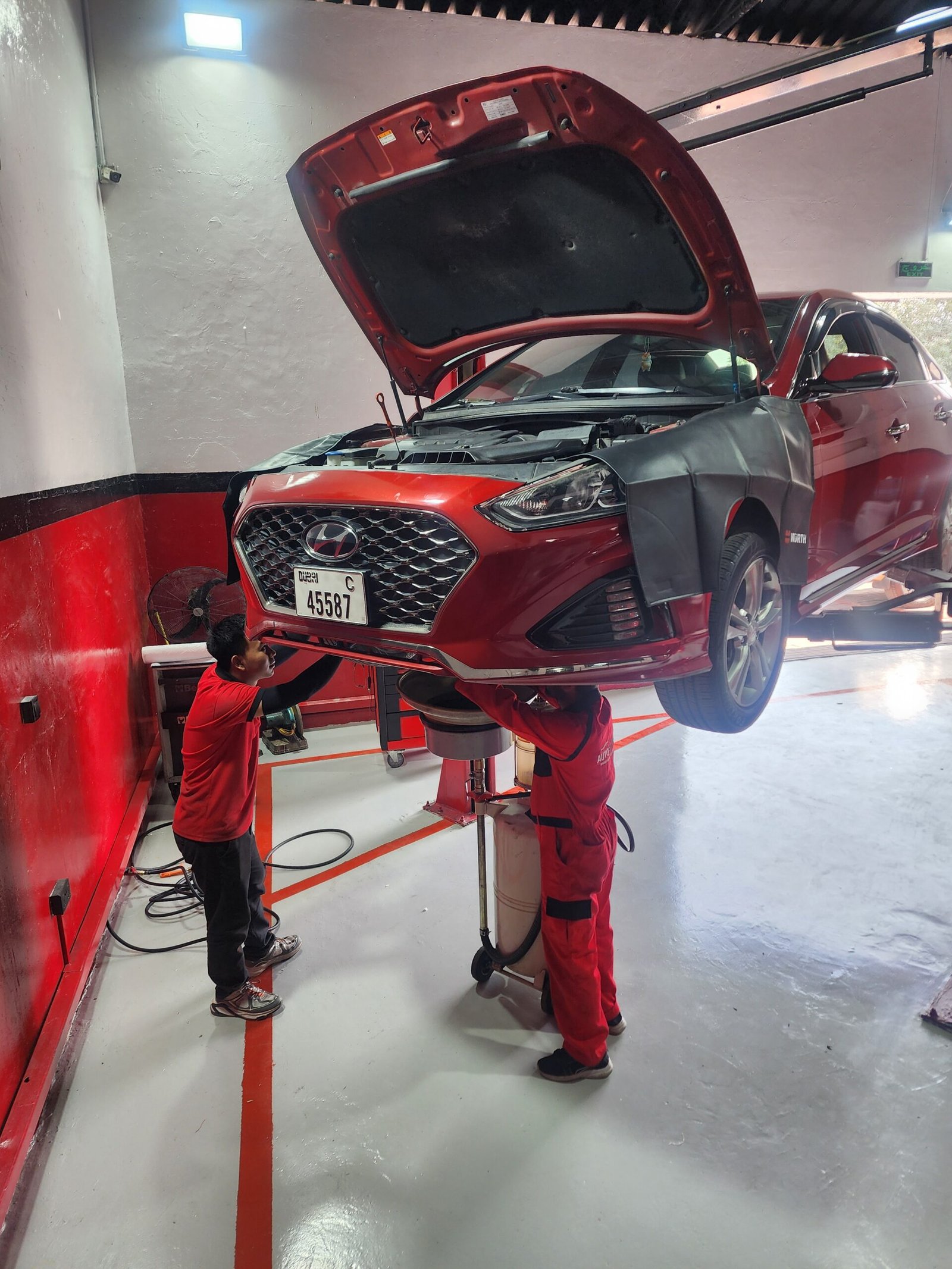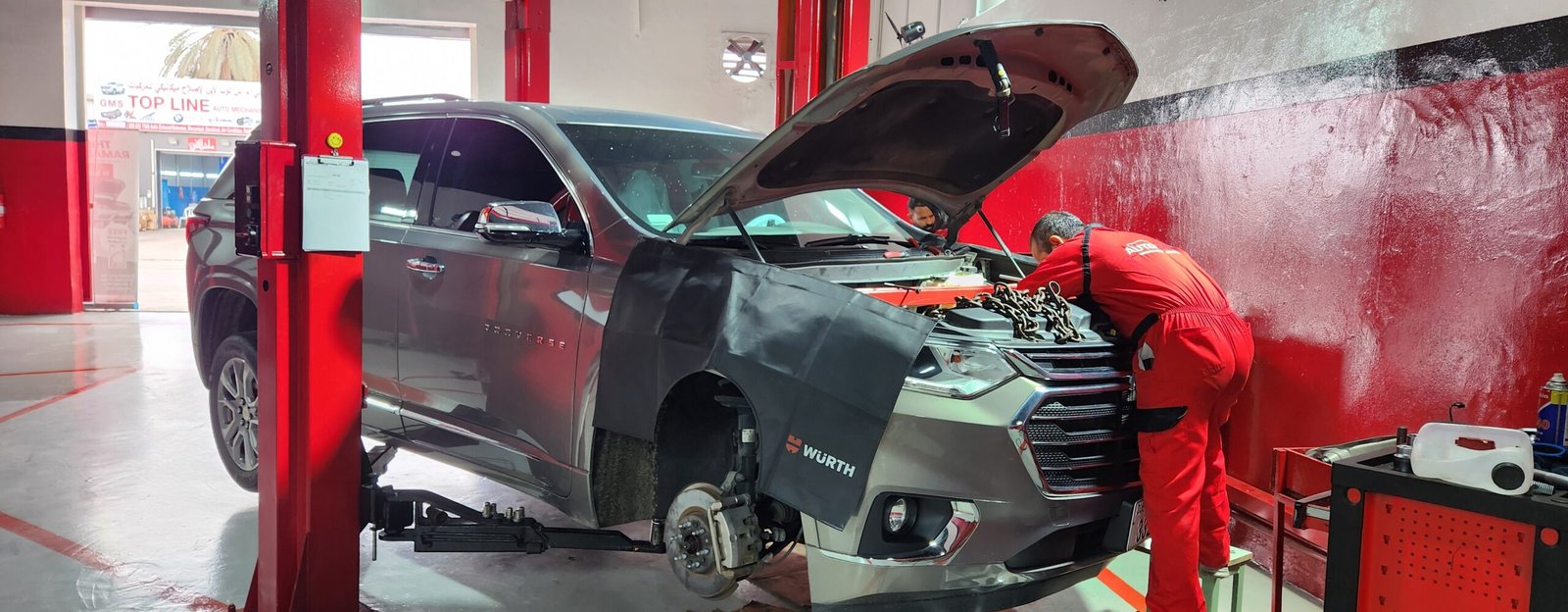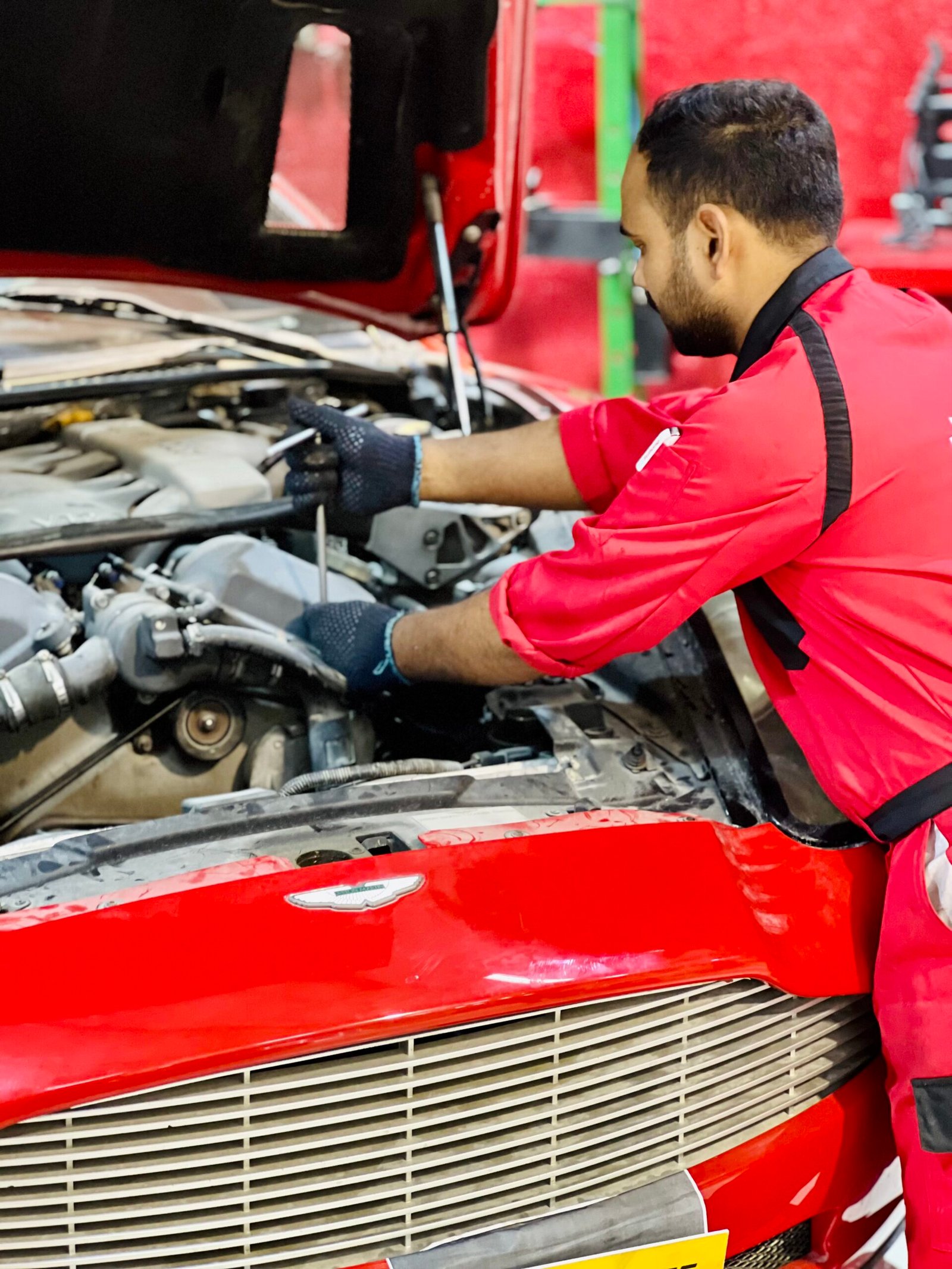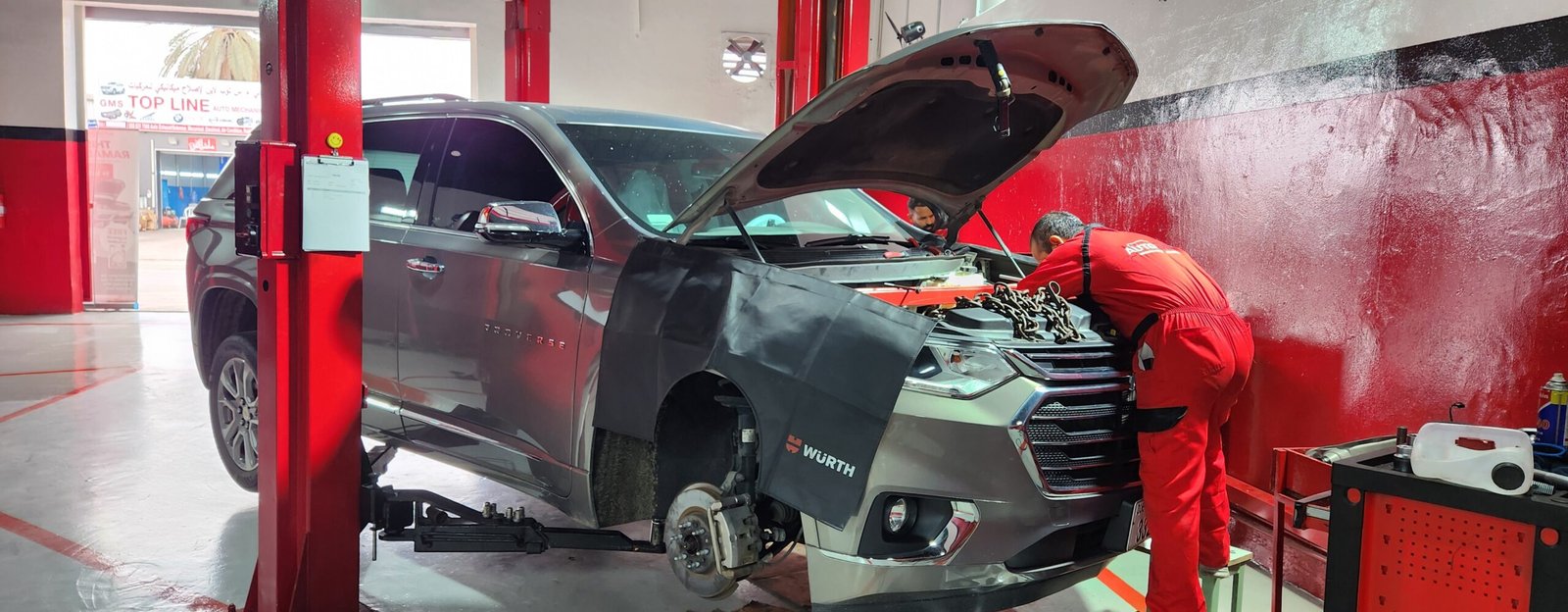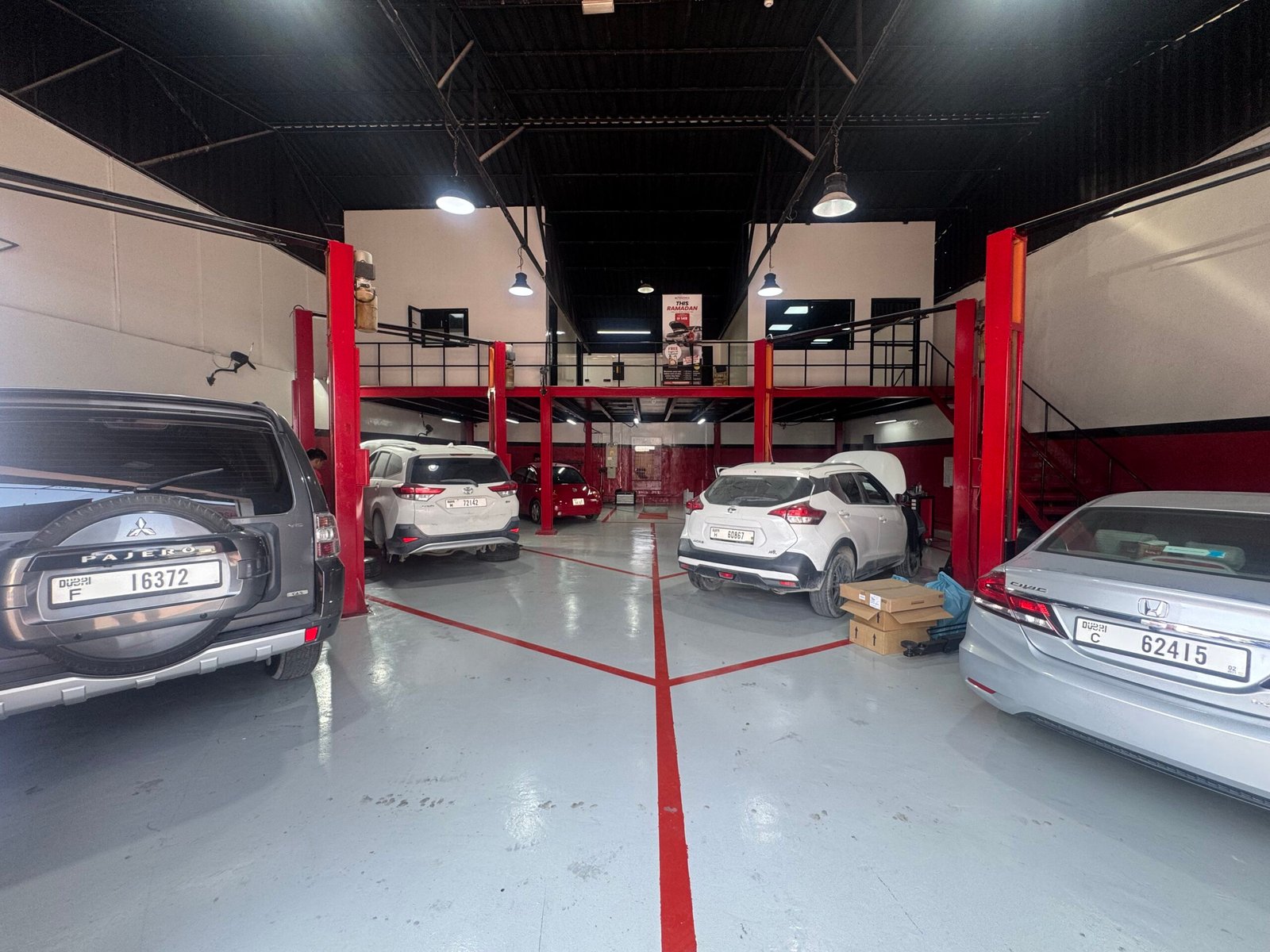
Automobile preventive maintenance is a planned schedule of regular inspections and small fixes that keep your car running safely and reliably. In short, it means catching minor issues early, before they turn into expensive breakdowns. This simple habit is the difference between costly repairs and long-lasting performance.
It matters because routine care protects your safety, saves money, and extends your vehicle’s life, especially in the UAE’s heat and heavy driving conditions.
Whether you visit a trusted car repair service or a local car repair shop in Dubai, applying automobile preventive maintenance saves you time, money, and stress.
Understanding What is Automobile Preventive Maintenance
Automotive preventive maintenance refers to scheduled routines that inspect, adjust, or replace key vehicle components before they break or fail.
This proactive approach detects minor issues early, so they do not become major problems.
A vehicle that receives proper preventive care:
- Runs more efficiently
- Has fewer breakdowns
- Delivers better fuel economy
- Maintains higher resale value
How Preventive Maintenance Works in Everyday Life
Every vehicle has a maintenance schedule provided by its manufacturer. This schedule outlines when to inspect and service:
- Engine oil and filters
- Tire condition and pressure
- Brake system
- Fluids and belts
- Electrical systems
These checks are often based on mileage or time intervals.
Completing these tasks on time is core to preventive maintenance car care.
Common Components Included in Preventive Maintenance
A thorough preventive maintenance plan covers many parts of the vehicle:
1. Engine Oil and Filter
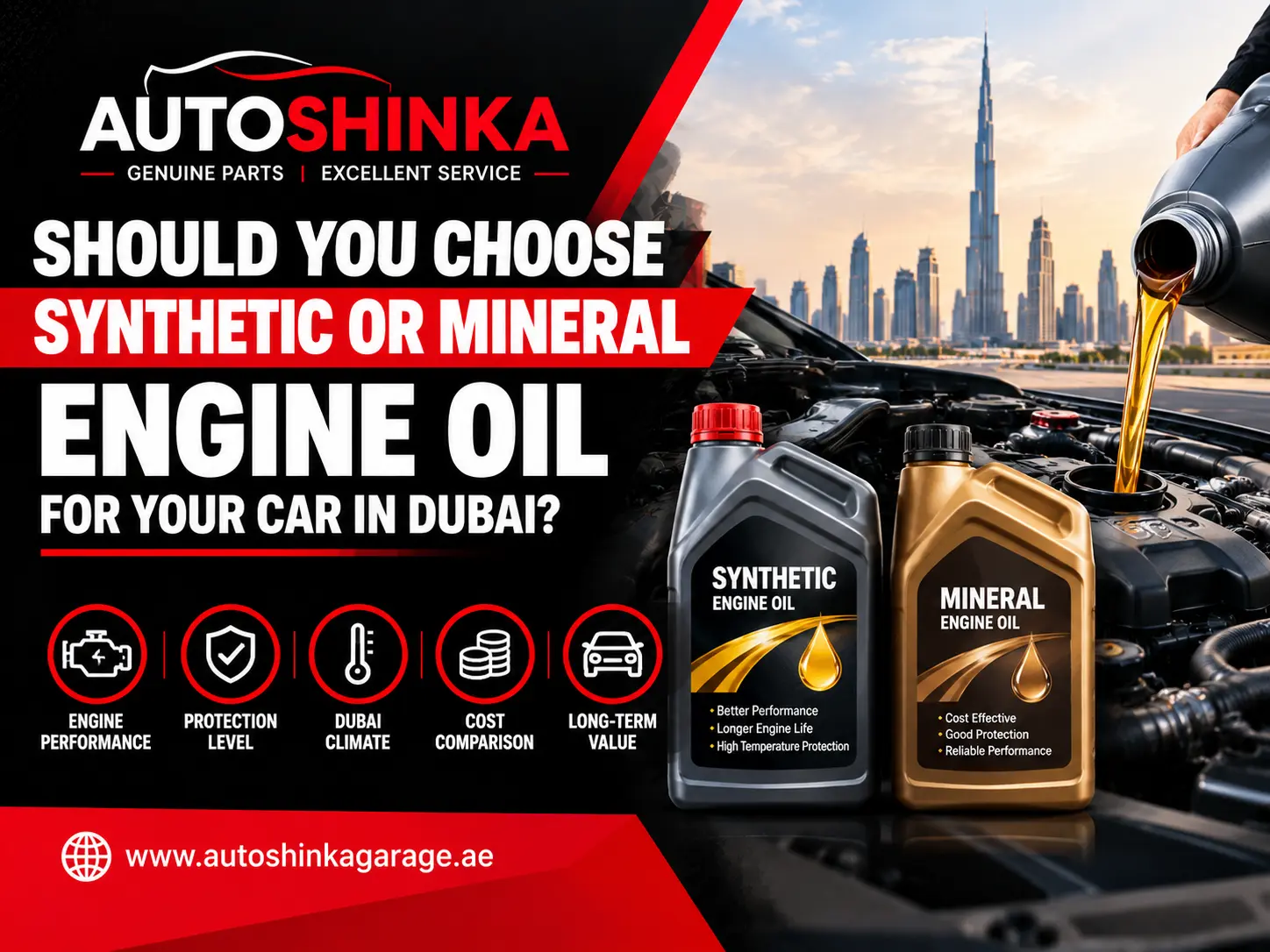
Engine oil lubricates and cools moving parts. Dirty oil causes wear and reduces performance. Regular changes help keep the engine healthy.
2. Tires and Alignment
Underinflated or misaligned tires reduce fuel efficiency and wear unevenly. Rotating tires and checking alignment improves safety and lifespan.
3. Brake System
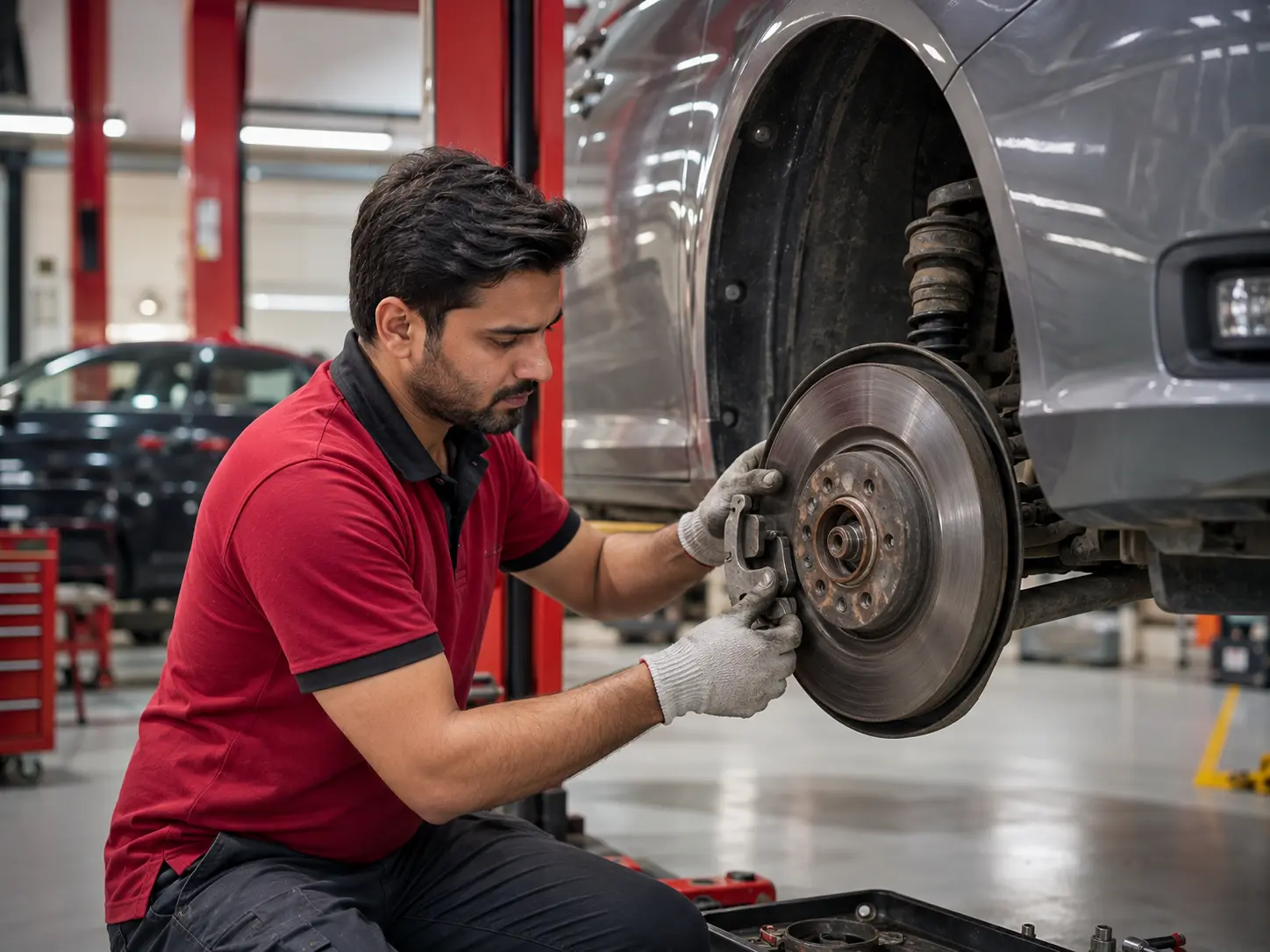
Brakes are critical. Checking pads, rotors, and fluids prevents failure and ensures driver safety.
4. Fluids and Belts
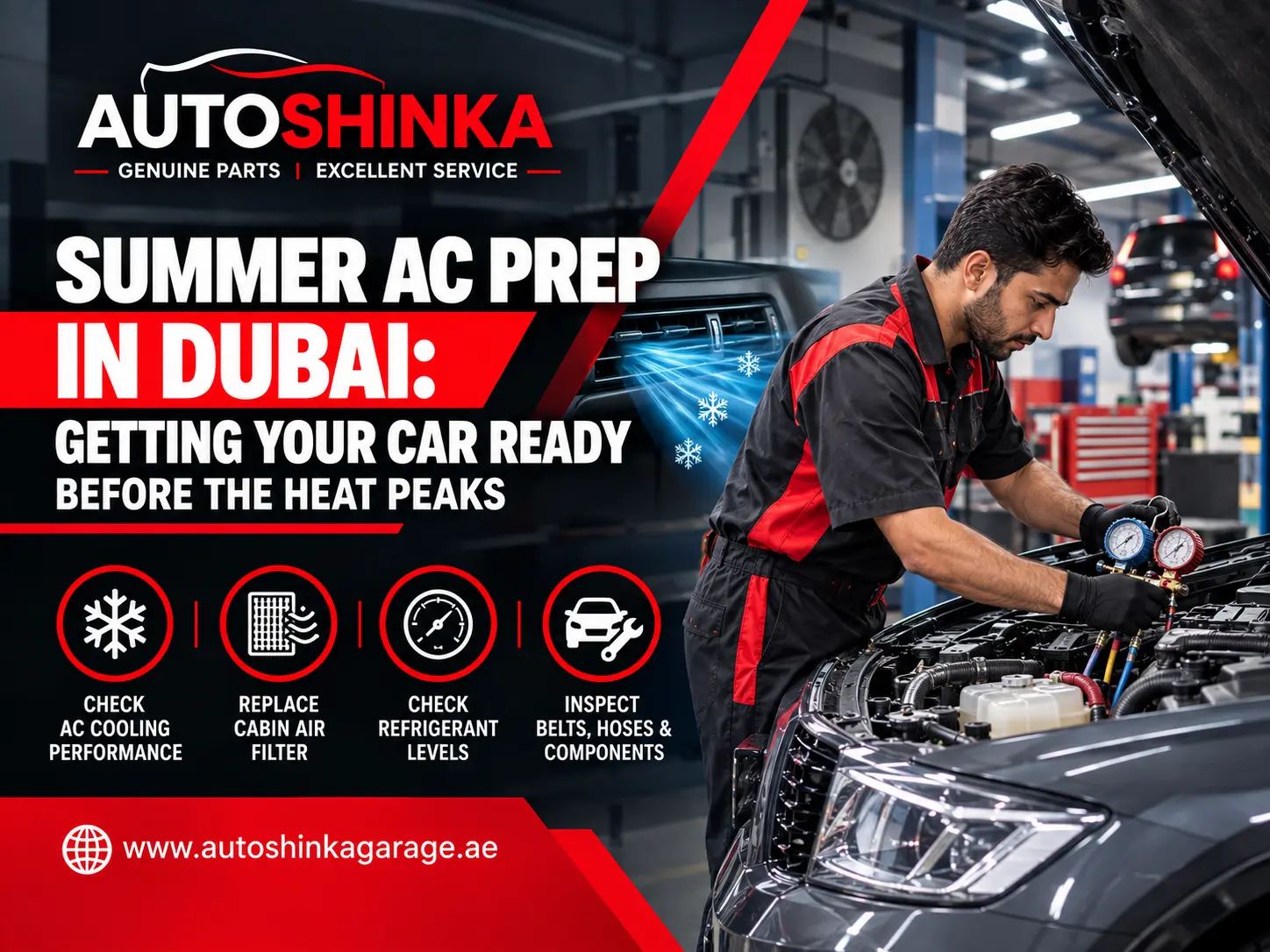
Transmission fluid, coolant, power steering fluid, and drive belts are essential for system function.
5. Electrical and Battery
Battery terminals, cables, alternator, and starter should be examined regularly to avoid unexpected failures.
Why Preventive Maintenance Matters More Than Reactive Repairs
Reactive repairs occur after something breaks. This approach often results in:
- Higher repair costs
- Vehicle downtime
- Greater wear on surrounding components
Benefits of Regular Automotive Preventive Maintenance
Saves Money in the Long Run
Routine checks are less expensive than addressing large breakdowns.
Small worn belts or fluids replaced on time prevent massive engine damage.
Improves Safety on the Road
Proper brakes, tires, and steering components reduce accident risk.
A well‑maintained vehicle reacts better in emergencies.
Enhances Fuel Efficiency
Clean air filters, correct tire pressure, and fresh fluids help the engine perform efficiently.
This leads to better mileage and lower fuel costs.
Enhances Resale Value
A documented maintenance history increases the resale price of your car.
Buyers trust vehicles with regular care records.
Reduces Emissions
A well‑tuned car burns fuel cleaner, reducing environmental footprint.
What to Expect from a Car Maintenance Services Provider
Whether you choose a local car repair service in Dubai or a specialized center, a good provider should offer:
- Clear maintenance schedules
- Written or digital estimates
- Genuine or high‑quality replacement parts
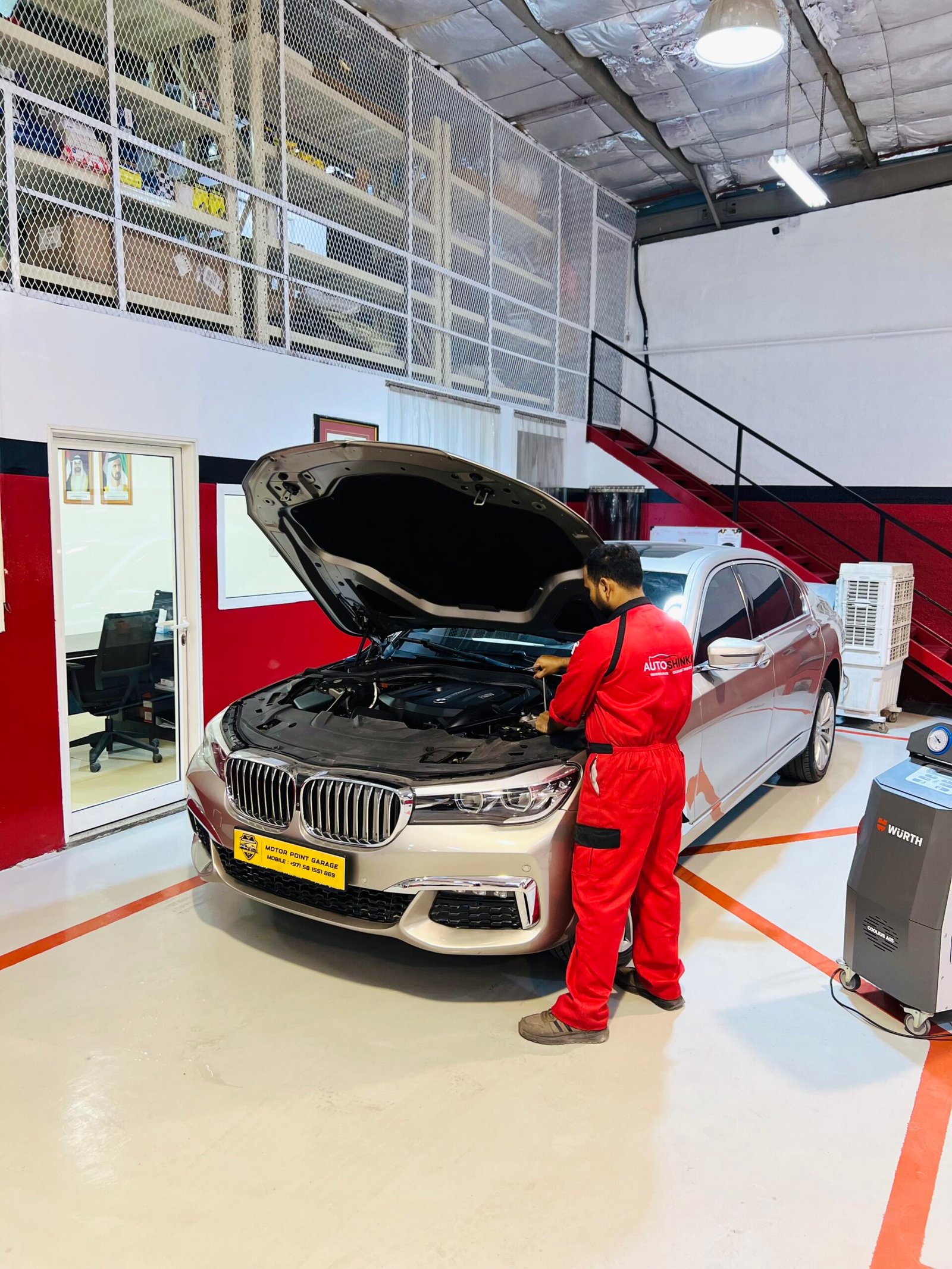
- Professional and certified technicians
- Convenient service reminders
A reliable car repair shop Dubai or anywhere in the UAE adds value by combining expert service with customer care.
Signs Your Vehicle Needs Preventive Maintenance Now
Even if your car seems fine, these warning signs suggest maintenance is overdue:
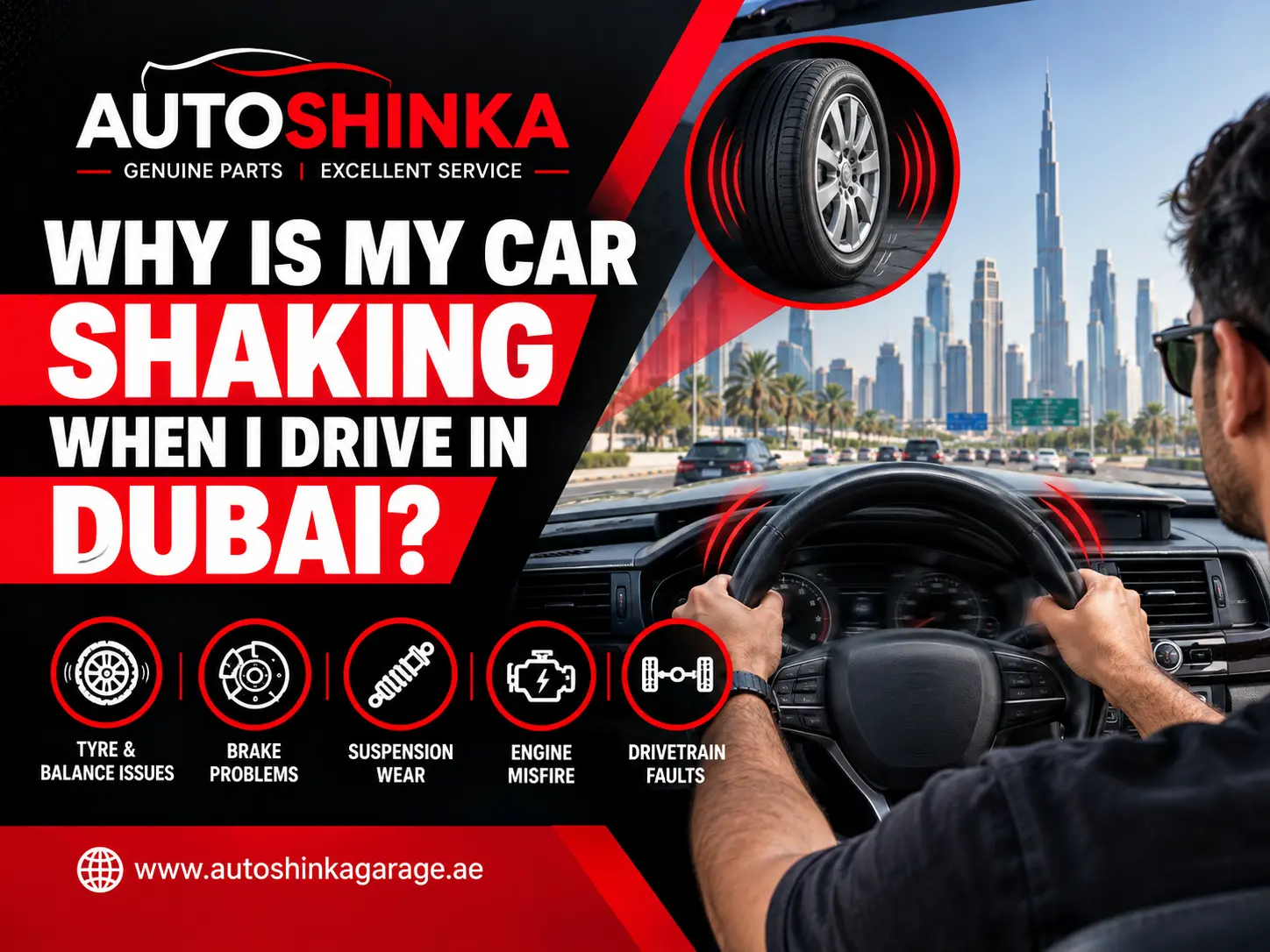
- Strange noises such as squealing or knocking
- Vibrations or pulling while driving
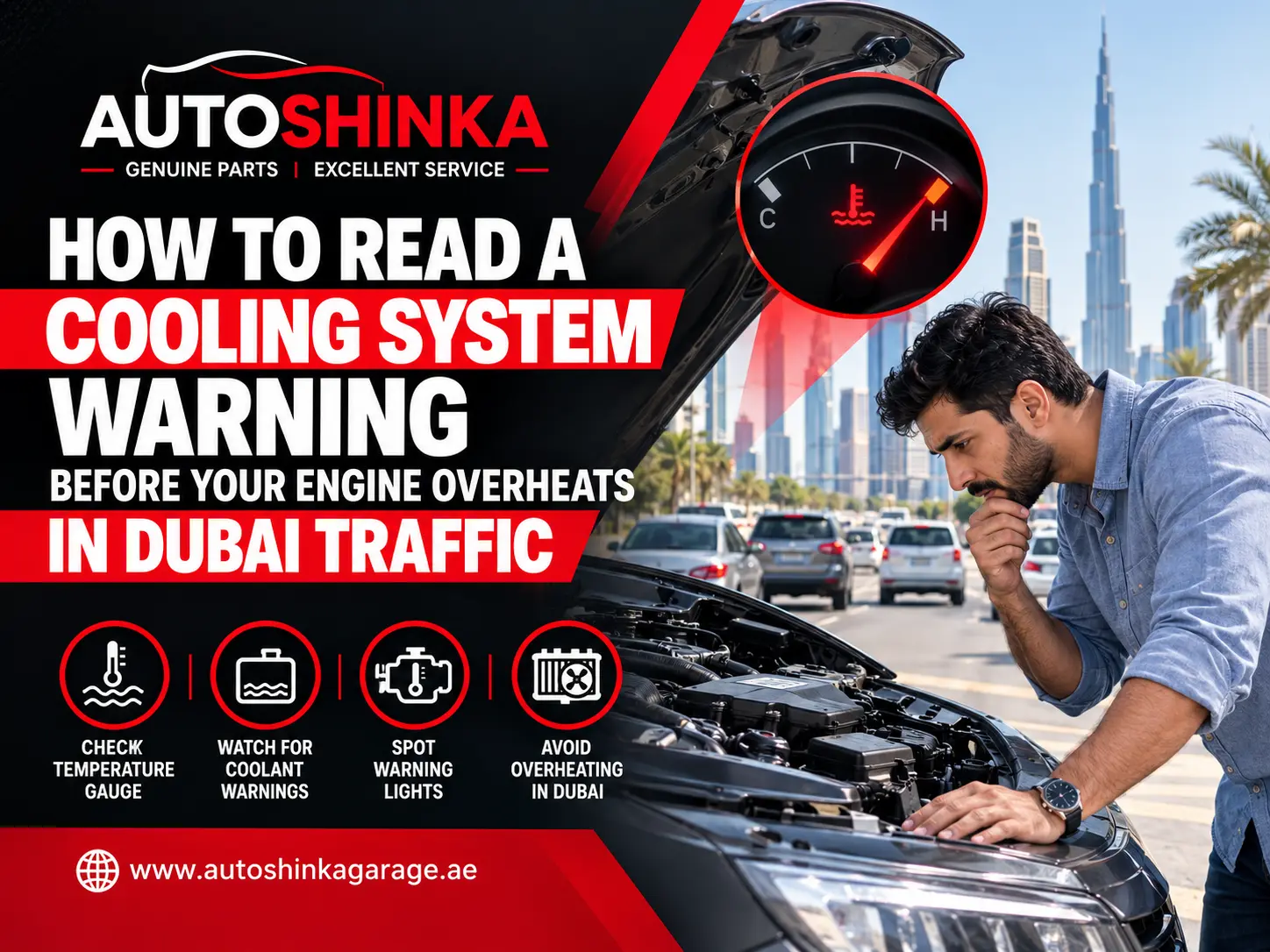
- Dashboard warning lights
- Unusual smells
- Lower fuel economy
Addressing these symptoms early can prevent bigger problems.
Routine Maintenance Checklist for Every Car Owner
It helps to follow a checklist. Below is a simple version:
Monthly
- Check tire pressure
- Inspect lights and signals
- Check fluid levels
Every 6 Months
- Change engine oil
- Rotate tires
- Inspect brakes
Every 12 Months
- Inspect belts and hoses
- Test battery
- Flush coolant
These intervals are general guidelines; always refer to your vehicle’s owner manual for specifics.
Role of Technology in Modern Preventive Maintenance
Modern vehicles include built‑in sensors and alerts for oil life, tire pressure, and system faults.
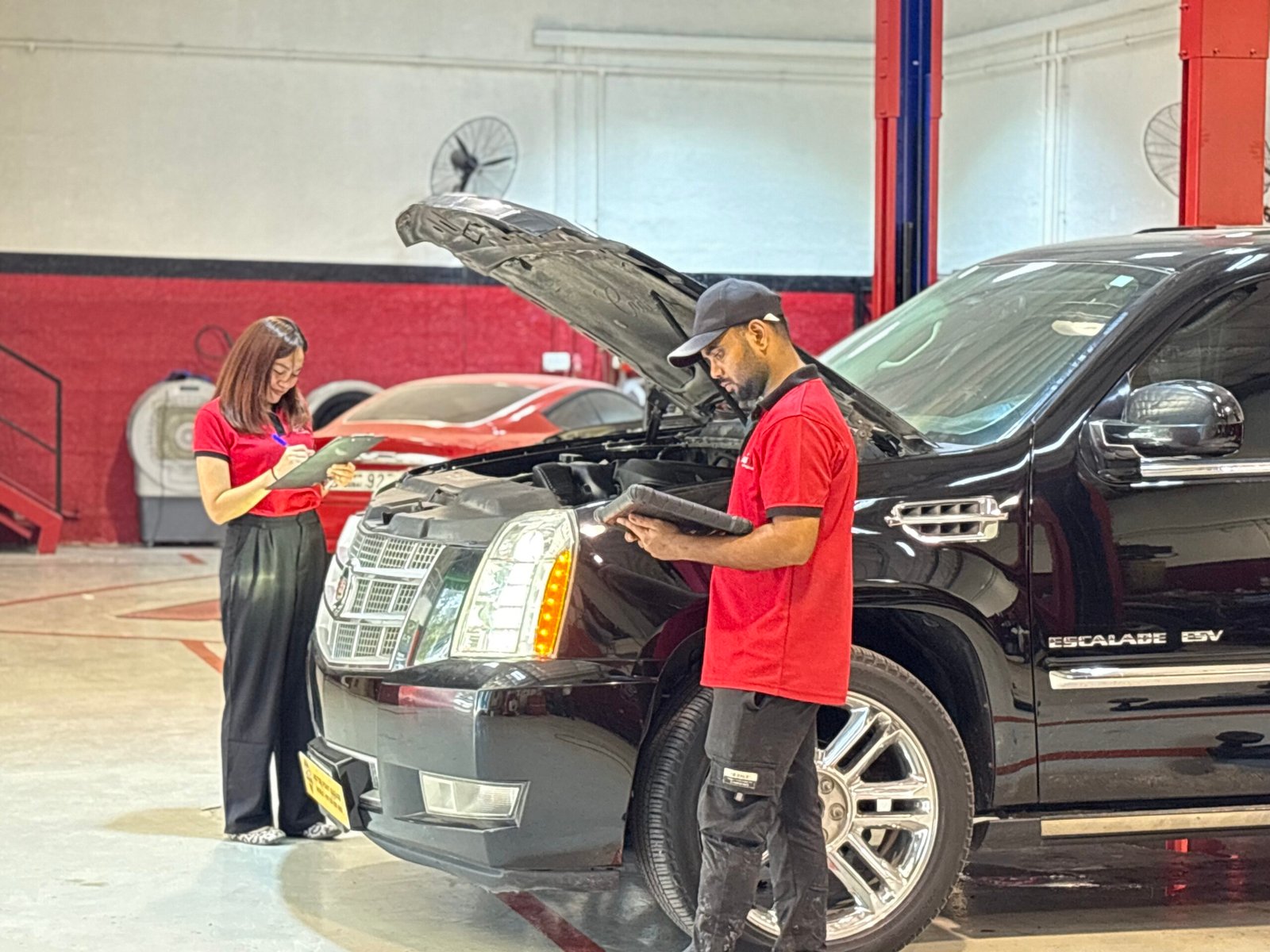
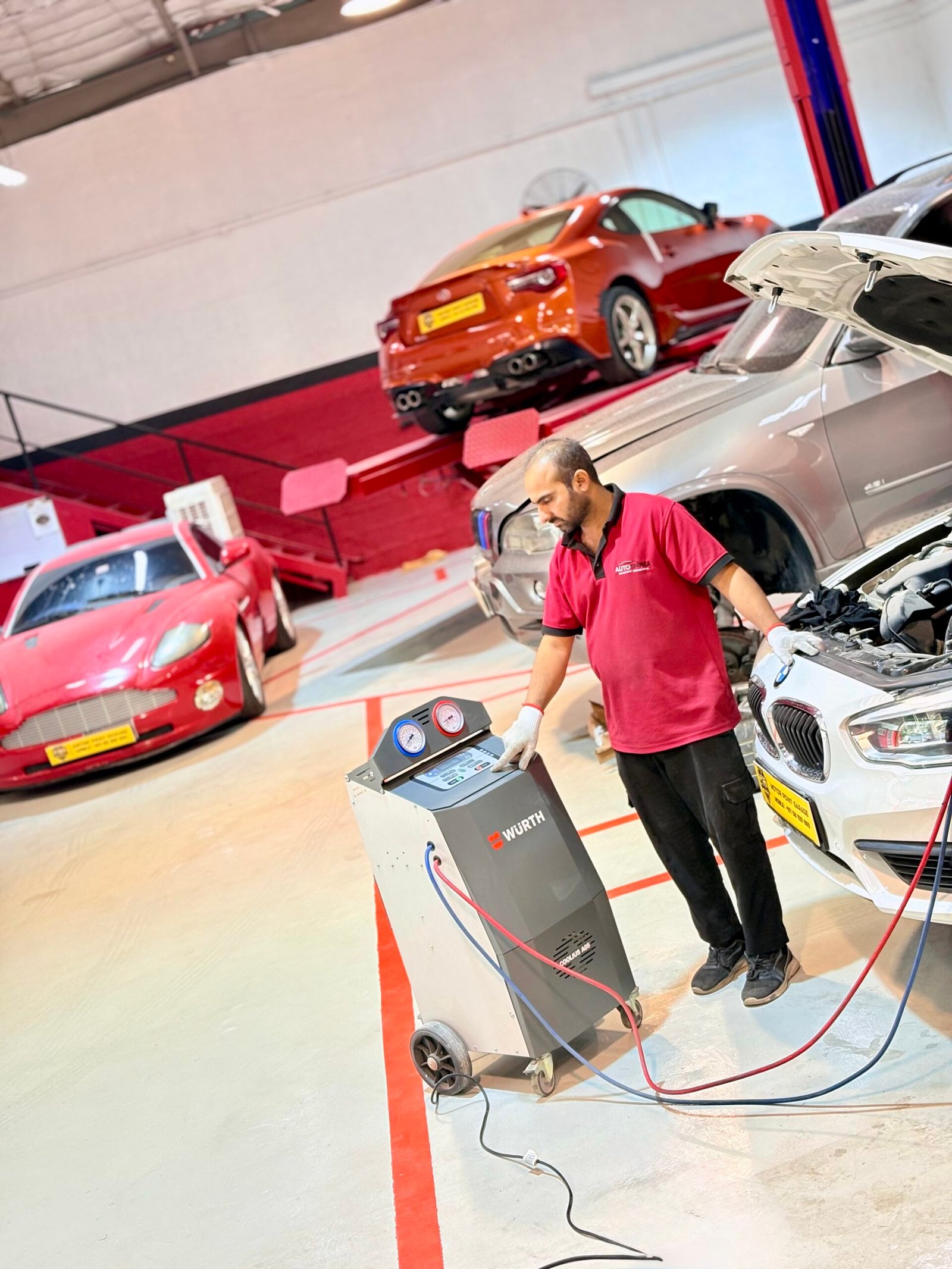
Diagnostic tools used by professionals help identify issues accurately and quickly.
These tools are part of advanced car maintenance services that save time and provide clear insights.
Preventive Maintenance and Warranty Protection
Many new vehicles come with warranty terms that require regular maintenance.
Skipping scheduled services might void warranty coverage.
Always check warranty conditions and ensure servicing is recorded properly.
Choosing the Right Preventive Maintenance Provider
Here’s how to pick the best service provider:
Look for Experience and Reviews
Customer testimonials and online ratings predict service quality.
Check Certifications
Technicians with certifications bring extra confidence.
Clear Communication
Your service provider should explain findings and options in simple terms.
Honest Pricing
Avoid places with hidden fees or unclear estimates.
Electric Vehicles and Preventive Care
EVs and hybrids need preventive maintenance too, though differently:
- Battery system checks
- Cooling system inspections
- Brake performance monitoring
As EV technology evolves, reliable car maintenance services adapt to new standards.
Checklist Before Visiting a Car Repair Shop Dubai or Anywhere
Before your maintenance appointment:
- Gather past service records
- Note any unusual behavior
- Ask for the estimate in writing
- Confirm timelines
Good preparation leads to smoother service.
How Preventive Maintenance Helps Fleet Owners
For businesses with multiple vehicles, preventive maintenance:
- Reduces downtime
- Keeps schedules on time
- Lowers fleet costs
- Improves safety for drivers
Many fleet owners use digital tracking to manage schedules.
Cost Savings from Preventive Maintenance
While costs vary, investing in routine care reduces:
- Fuel expenses
- Frequent repairs
- Emergency breakdown costs
In long term, preventive care pays for itself.
How Often Should You Perform Preventive Maintenance?
This depends on:
- Driving conditions
- Vehicle age
- Manufacturer recommendations
Generally, most maintenance happens between 5,000 to 15,000 km.
Refer to your owner’s manual for exact guidance.
Frequently Asked Questions About Preventive Maintenance
1. What is the best preventive maintenance schedule?
Your vehicle owner manual provides the most accurate schedule. Machine age, driving type, and climate also affect it.
2. How often should I service my car?
Most cars need basic services (like oil changes) every 5,000 to 10,000 km. More complex checks may be yearly.
3. Can preventive maintenance prevent breakdowns?
Yes. Regular inspections catch problems early before they turn into breakdowns.
4. Is preventive maintenance necessary for old cars?
Absolutely. Older cars benefit even more since wear accumulates over time.
5. Does preventive maintenance improve resale value?
Yes. A complete service history proves regular care and makes resale easier and more valuable.
Conclusion
Understanding what is automobile preventive maintenance equips you to make smarter car care decisions. Preventive care saves money, improves safety, and prolongs the life of your vehicle. Do not wait for problems to happen. Instead, stay ahead with regular checkups, good records, and trusted technicians.
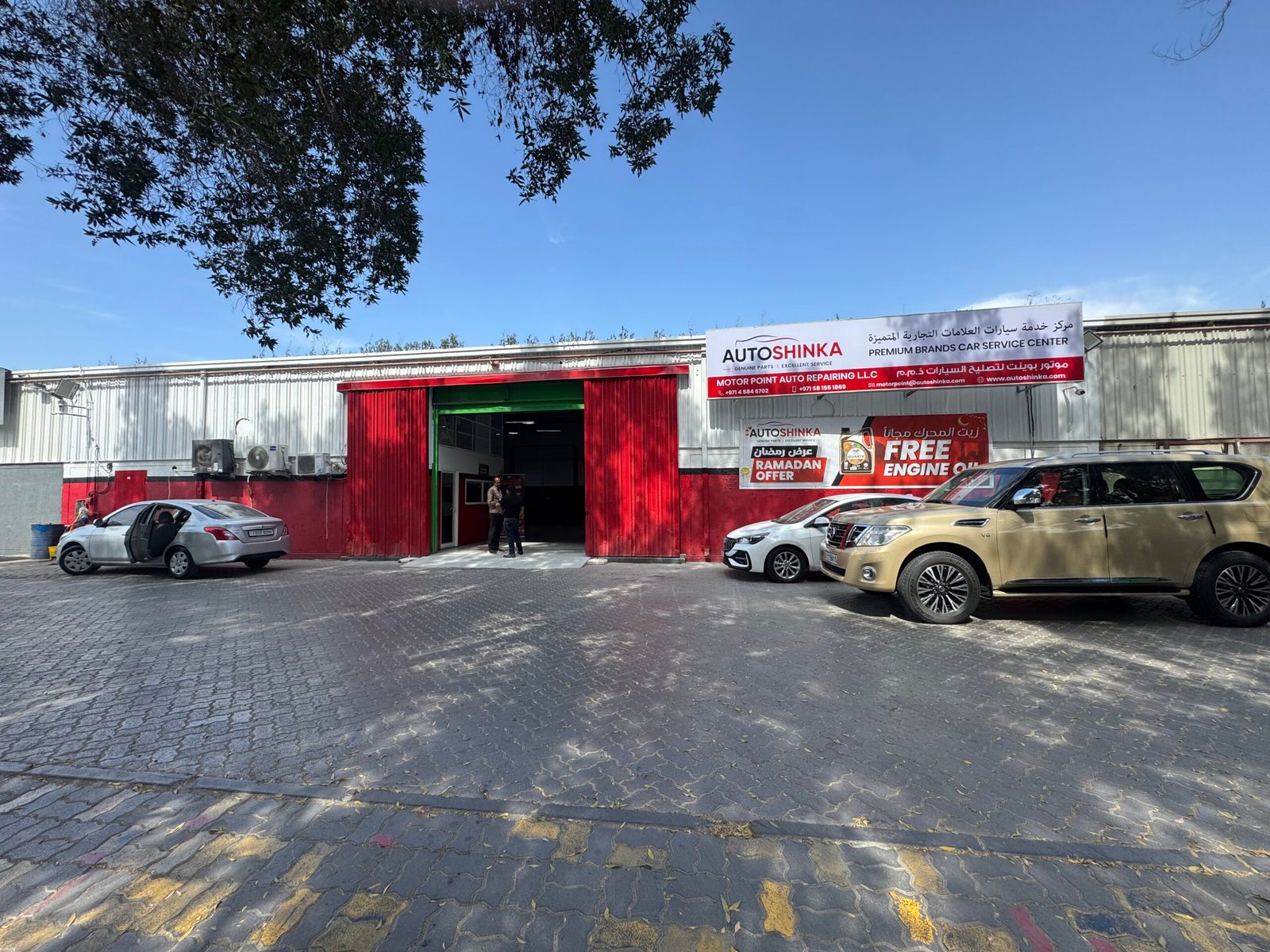
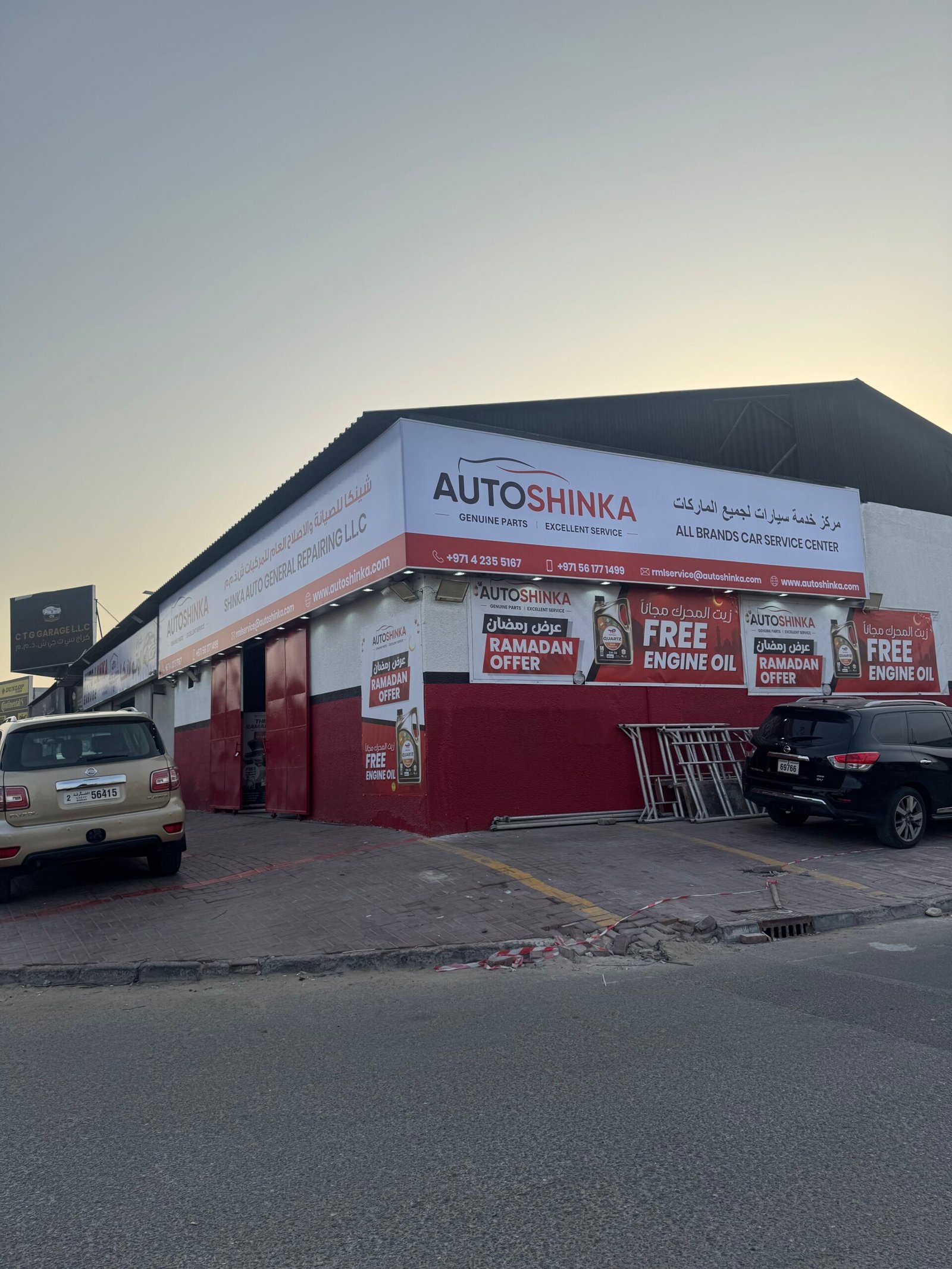
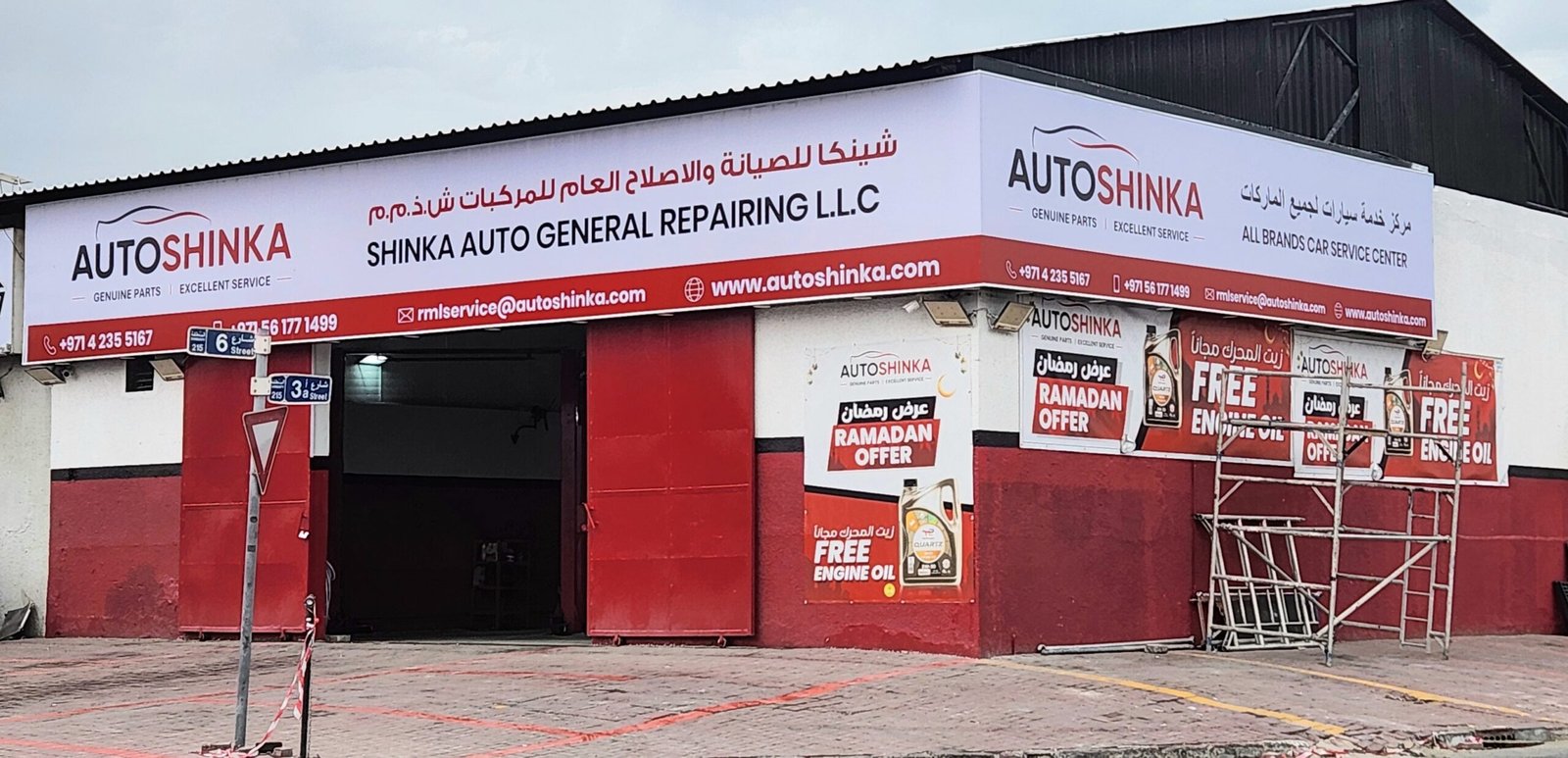
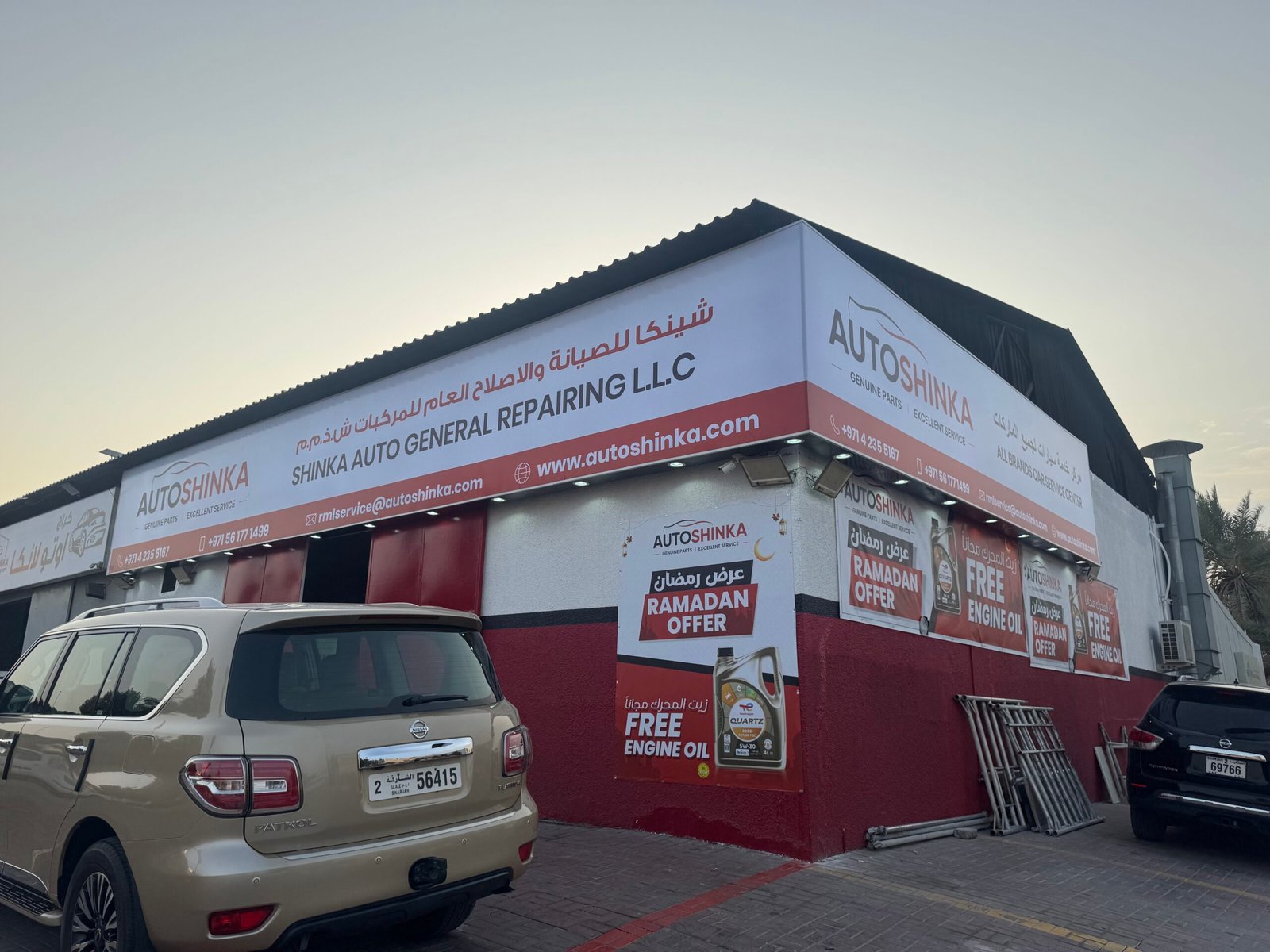
For professional automotive preventive maintenance tailored to your vehicle, visit Autoshinka Car Service Centre. Call us today for an appointment or a personalized maintenance plan that keeps your car running reliably and efficiently.