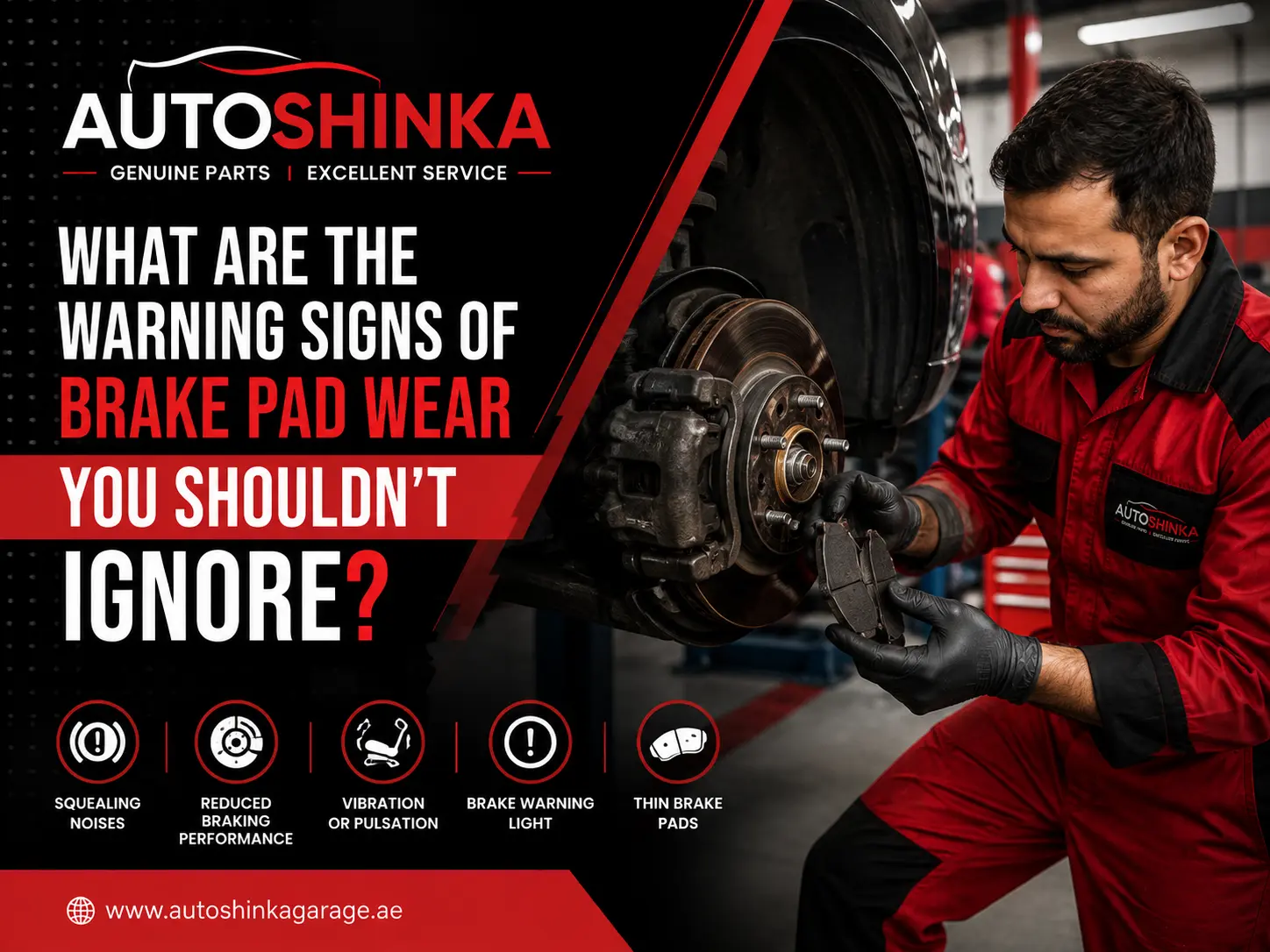
Your brakes are the single most important safety system in your car, yet most drivers only think about them when something goes wrong. Learning the warning signs of brake pad wear early can save you from a breakdown, a dangerous stop, or an expensive repair bill down the road. In Dubai’s busy traffic and searing summer heat, brake components wear out faster than in milder climates, making it even more important to know what to watch for.
This guide walks through the clearest signs your brake pads are wearing out, what causes them, and when it’s time to book a car brake repair Dubai drivers can rely on.
Warning Signs of Brake Pad Wear
The most common warning signs of brake pad wear are a high-pitched squealing noise when braking, a grinding or metal-on-metal sound, a soft or spongy brake pedal, vibration when stopping, and your car pulling to one side.
Any one of these signs means your brake pads should be inspected soon. Ignoring them can lead to damaged rotors, longer stopping distances, and a much bigger repair bill.
Brake pads are a wear item by design, so some degree of thinning is normal. The problem starts when drivers push past the safe wear limit without realizing it, which is exactly why these warning signs matter.
Squealing or Squeaking Noise When Braking
A high-pitched squeal is usually the first and most obvious sign of brake pad wear. Most brake pads have a small metal wear indicator built in, which is designed to scrape against the rotor once the pad material gets thin.
This noise isn’t just annoying; it’s a built-in safety alert. If you notice a squeal every time you brake, even lightly, it’s a strong signal to schedule a brake pad replacement at a Dubai garage soon, before the pads wear down completely.
Grinding or Metal-on-Metal Sound
A grinding noise is more serious than a squeal. It usually means the brake pad material has worn away entirely, and the metal backing plate is now scraping directly against the rotor.
This causes rapid damage to the rotor surface, which can turn a simple pad replacement into a more costly rotor resurfacing or replacement job. If you hear grinding, avoid unnecessary driving and get to a car repair garage as soon as possible.
Vibration or Pulsing When You Brake
Do you feel a shudder or pulsing sensation through the brake pedal or steering wheel when slowing down? This is often caused by uneven brake pad wear or a warped rotor, both of which reduce your car’s stopping performance.
Vibration can also point to overheated brakes, a common issue in Dubai where stop-and-go traffic combined with high temperatures puts extra strain on the braking system. A professional inspection can confirm the exact cause quickly.
Soft, Spongy, or Sinking Brake Pedal
A brake pedal that feels soft, spongy, or sinks closer to the floor than usual is another red flag. While this can sometimes point to a hydraulic issue, it’s frequently linked to worn brake pads that are no longer creating consistent friction against the rotor.
Never ignore a changing pedal feel. It’s one of the clearest indicators that your braking system needs attention from an experienced technician.
Brake Pad Wear Signs and What They Mean
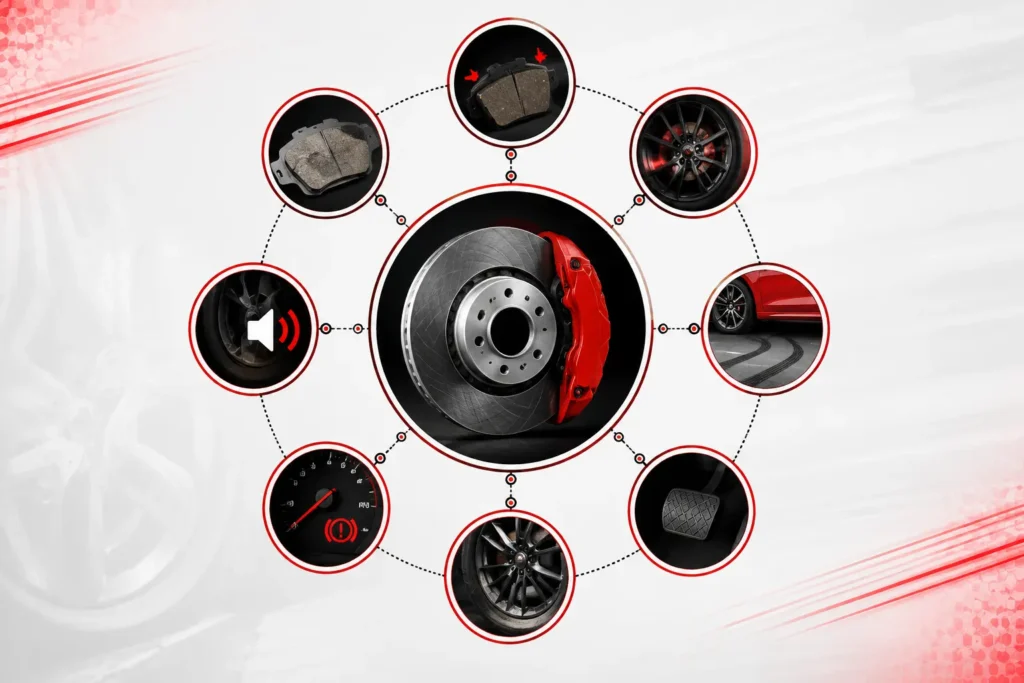
Use this quick reference table to understand what different symptoms usually point to and how they’re typically fixed.
| Warning Sign | Likely Cause | Typical Fix |
| Squealing noise | Wear indicator contacting rotor | Brake pad replacement |
| Grinding noise | Pad material fully worn away | Pad replacement plus rotor resurfacing |
| Vibration or pulsing | Uneven wear or warped rotor | Rotor machining or replacement |
| Soft or spongy pedal | Worn pads or hydraulic issue | Pad replacement or brake fluid service |
| Car pulls to one side | Uneven pad wear or stuck caliper | Caliper service and pad replacement |
| Longer stopping distance | Reduced pad thickness | Full brake inspection and replacement |
Car Pulling to One Side When Braking
If your car drifts left or right the moment you apply the brakes, this often means the pads are wearing unevenly between the two front or rear wheels. A stuck or sticking caliper is a common culprit, applying more pressure to one side than the other.
This is not just inconvenient; it’s a genuine safety risk, especially at higher speeds. A qualified car repair and maintenance team can inspect the calipers and pads together to correct the imbalance.
How Dubai’s Heat and Traffic Speed Up Brake Pad Wear
Dubai’s combination of intense summer heat and heavy stop-and-go traffic is tough on braking systems. High temperatures cause brake components to run hotter than normal, which can accelerate pad wear and increase the risk of brake fade.
Frequent braking in congested traffic also means the pads are working harder and more often than they would on open highways. This is why routine checks matter more here than in cooler, less congested regions, and why many drivers choose an affordable brake repair Dubai service as part of their regular maintenance schedule.
Can You Check Brake Pad Wear Yourself?
Some basic checks are possible without professional tools. On many vehicles, you can see the outer brake pad through the gaps in the wheel spokes and get a rough idea of how much material remains.
- Look for at least 3mm of pad thickness remaining; anything thinner needs attention soon.
- Listen closely for squealing or grinding during normal braking.
- Pay attention to any change in pedal feel or stopping distance.
- Note if the car pulls to one side under braking.
That said, a visual check from outside the wheel isn’t always accurate, and rear brake pads are often harder to inspect this way. For a reliable result, a proper inspection at a trusted car repair garage is always worth it.
The 3-Point Brake Check
Before booking a repair, run through this simple three-point check to help describe the issue accurately to your mechanic:
- Sound – Do you hear squealing, grinding, or clicking when you brake?
- Feel – Does the pedal feel soft, hard, or vibrate when pressed?
- Behavior – Does the car pull to one side, take longer to stop, or feel unstable?
Sharing clear answers to these three points helps technicians diagnose the issue faster, saving you time and avoiding unnecessary parts replacement.
How Much Does Brake Pad Replacement Cost in Dubai?
The cost of brake repair Dubai drivers pay depends on several factors, including how far the wear has progressed and whether the rotors also need attention. A straightforward pad replacement is generally inexpensive, while rotor damage from delayed repairs adds significantly to the bill.
- The extent of pad wear and whether rotors are damaged.
- Your vehicle’s make, model, and part availability.
- Whether all four wheels need new pads or just the front or rear set.
Booking an affordable car repair service at the first sign of trouble almost always costs less than waiting until the brakes fail completely.
How to Extend the Life of Your Brake Pads
A few simple habits can meaningfully slow down brake pad wear and keep your braking system reliable for longer.
- Avoid heavy, last-second braking; slow down gradually when possible.
- Don’t ride the brake pedal in traffic or on descents.
- Keep a safe following distance to reduce hard braking events.
- Have your brakes inspected during every routine service visit.
- Address squealing or grinding sounds immediately rather than waiting.
Consistent, light use of your brakes is one of the easiest ways to protect both the pads and the rotors underneath them.
Where to Get Reliable Brake Pad Replacement in Dubai
Choosing the right workshop matters just as much as catching the warning signs early. Look for a garage with trained technicians, genuine parts, and transparent pricing before any work begins.
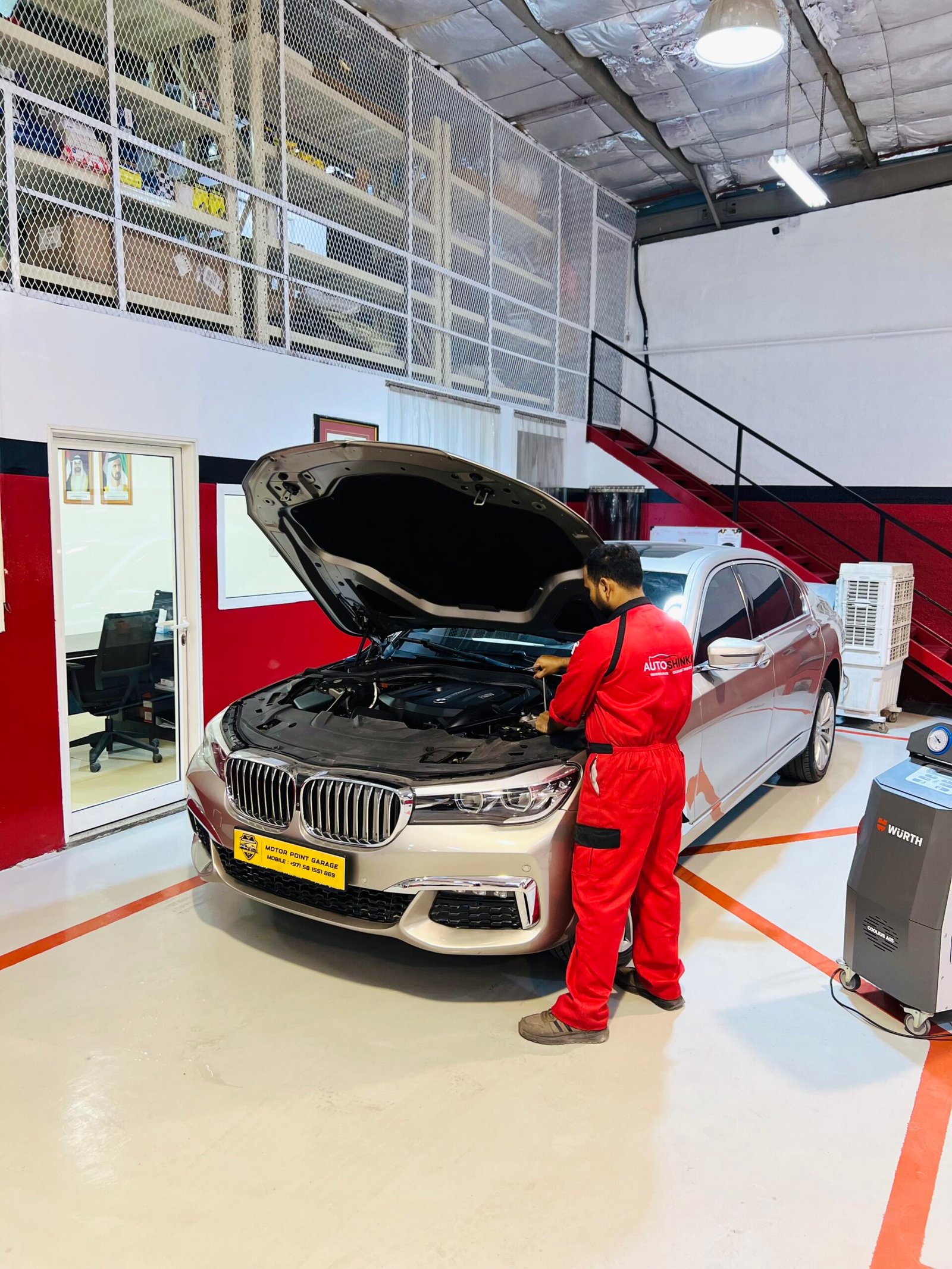
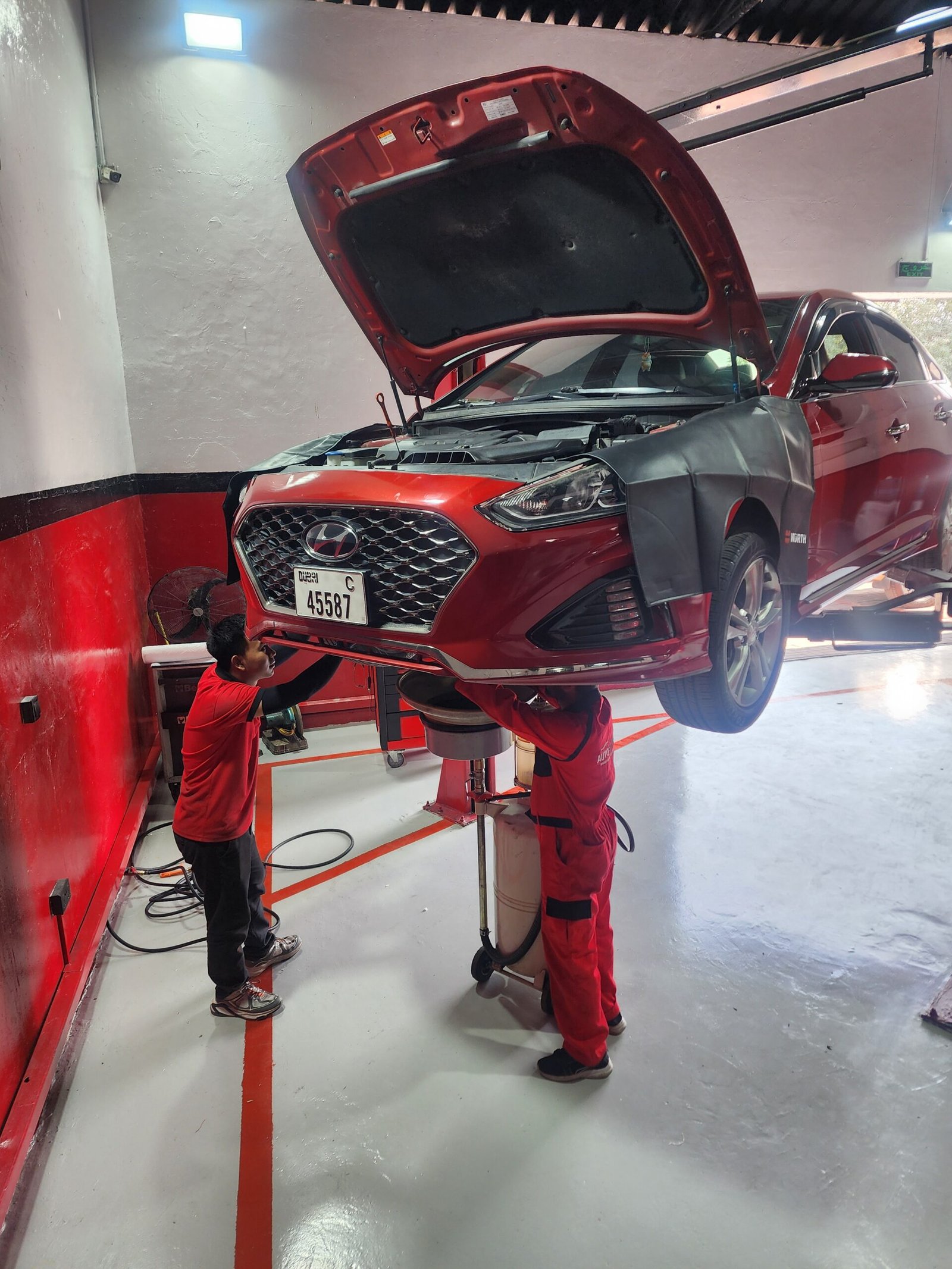
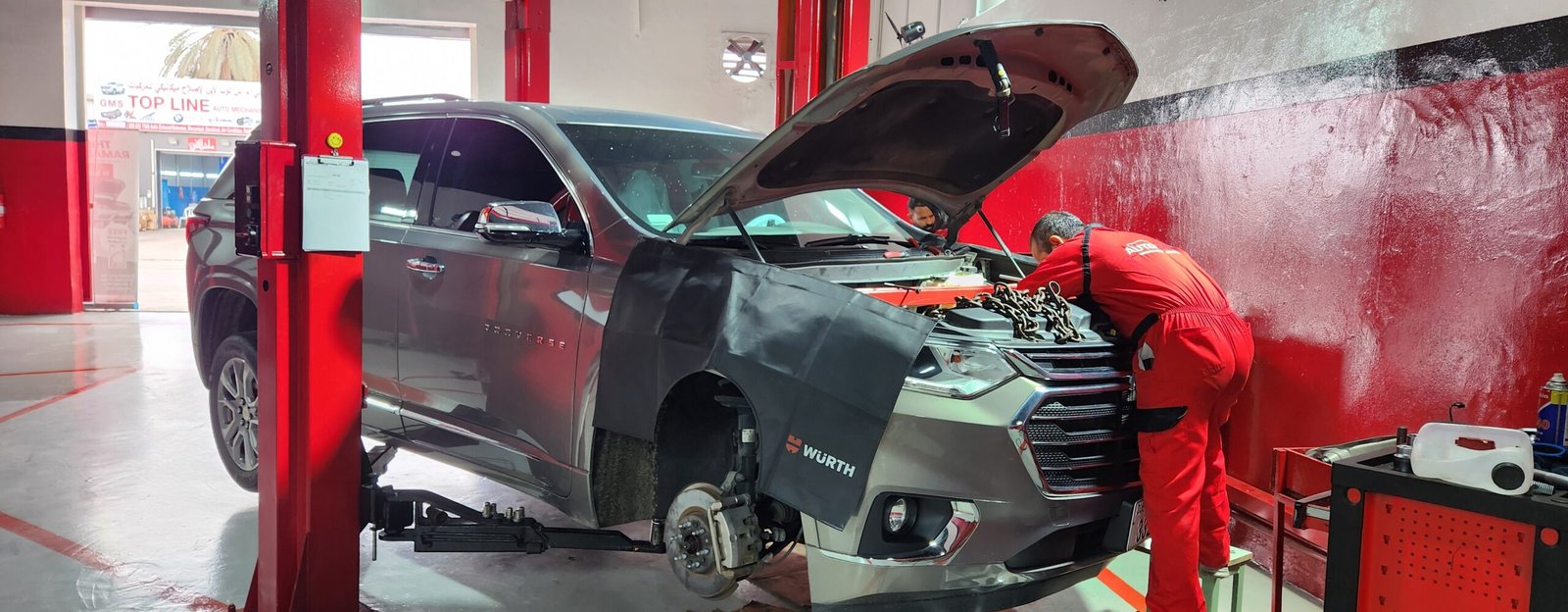
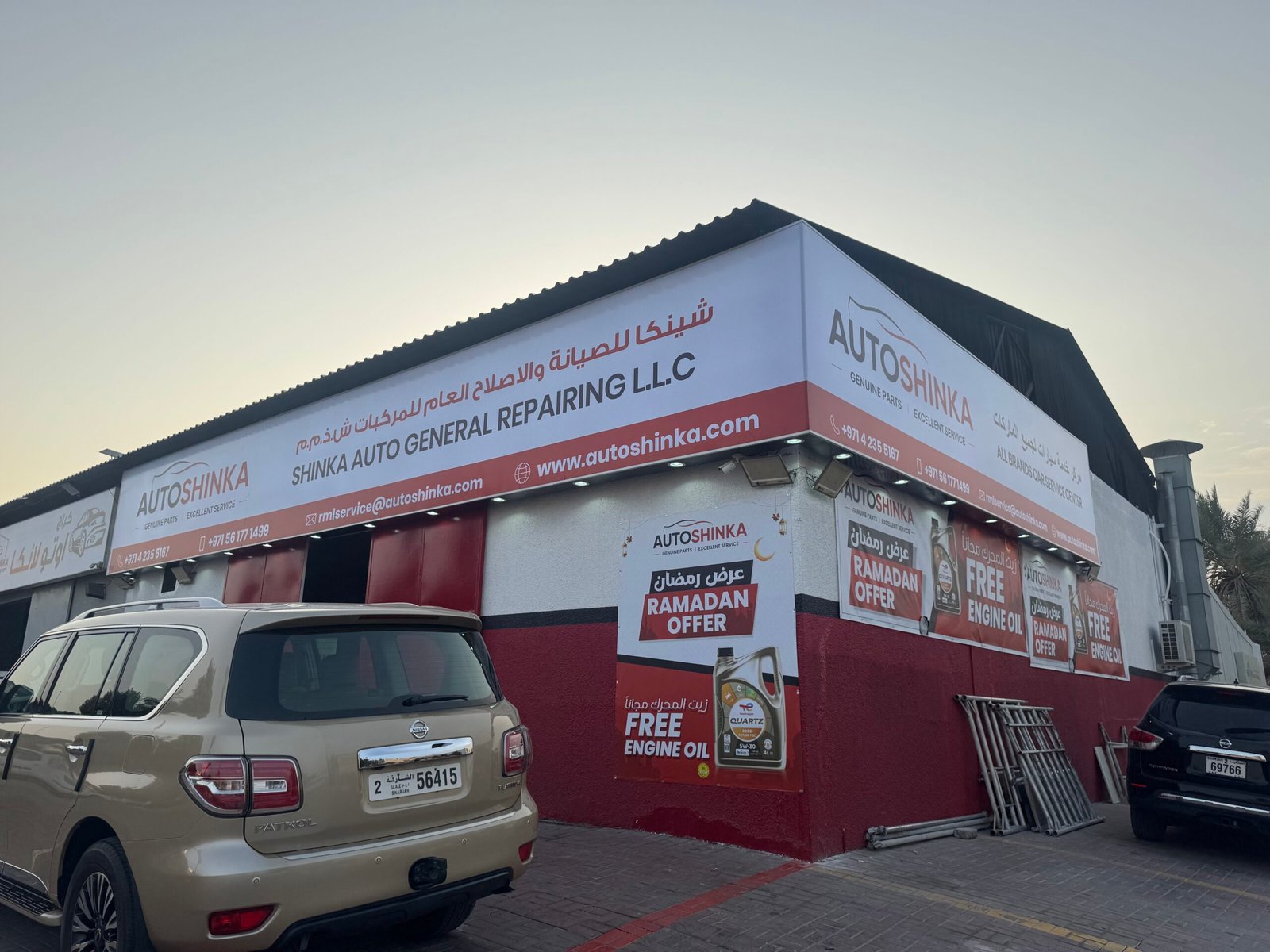
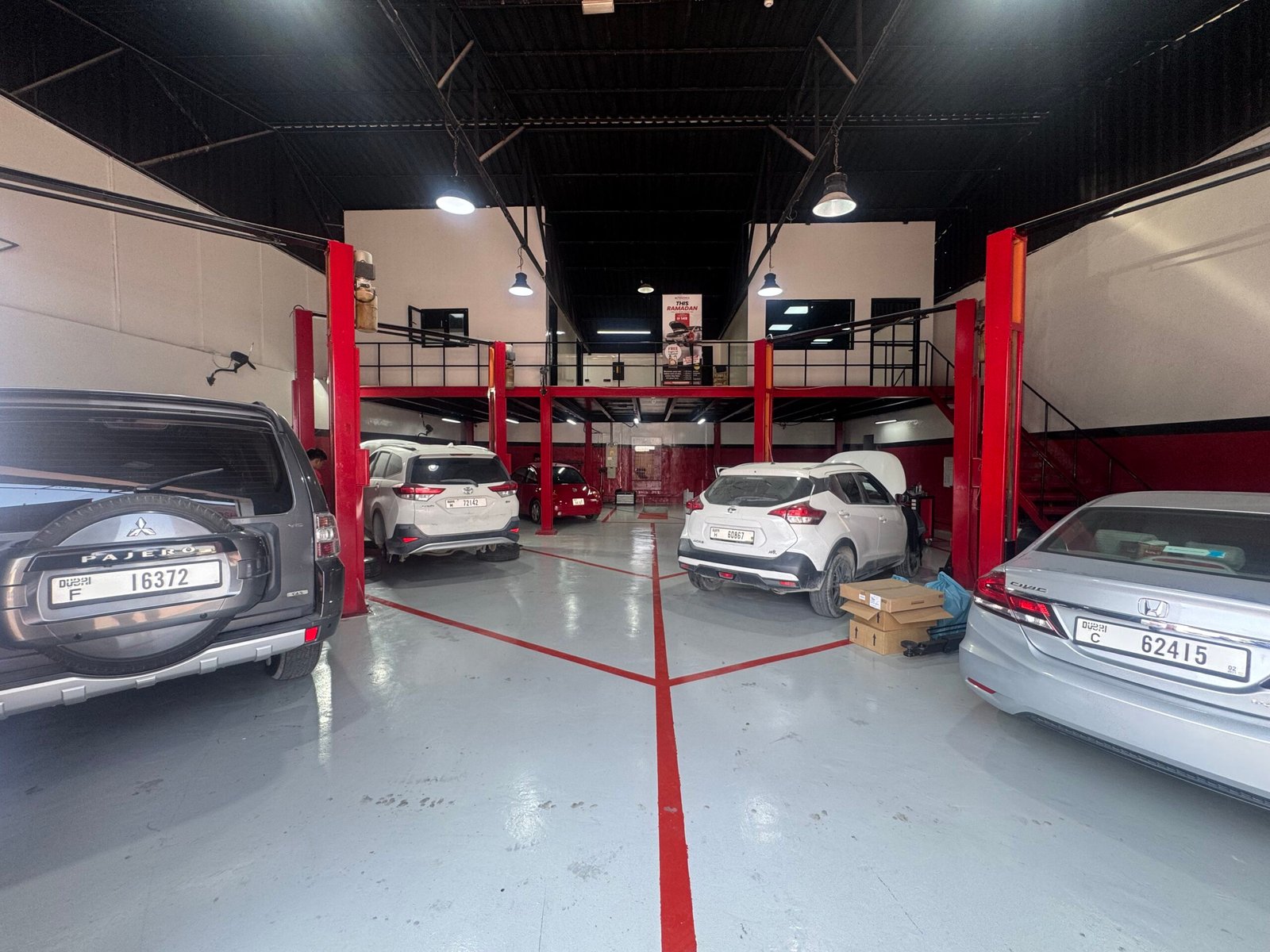
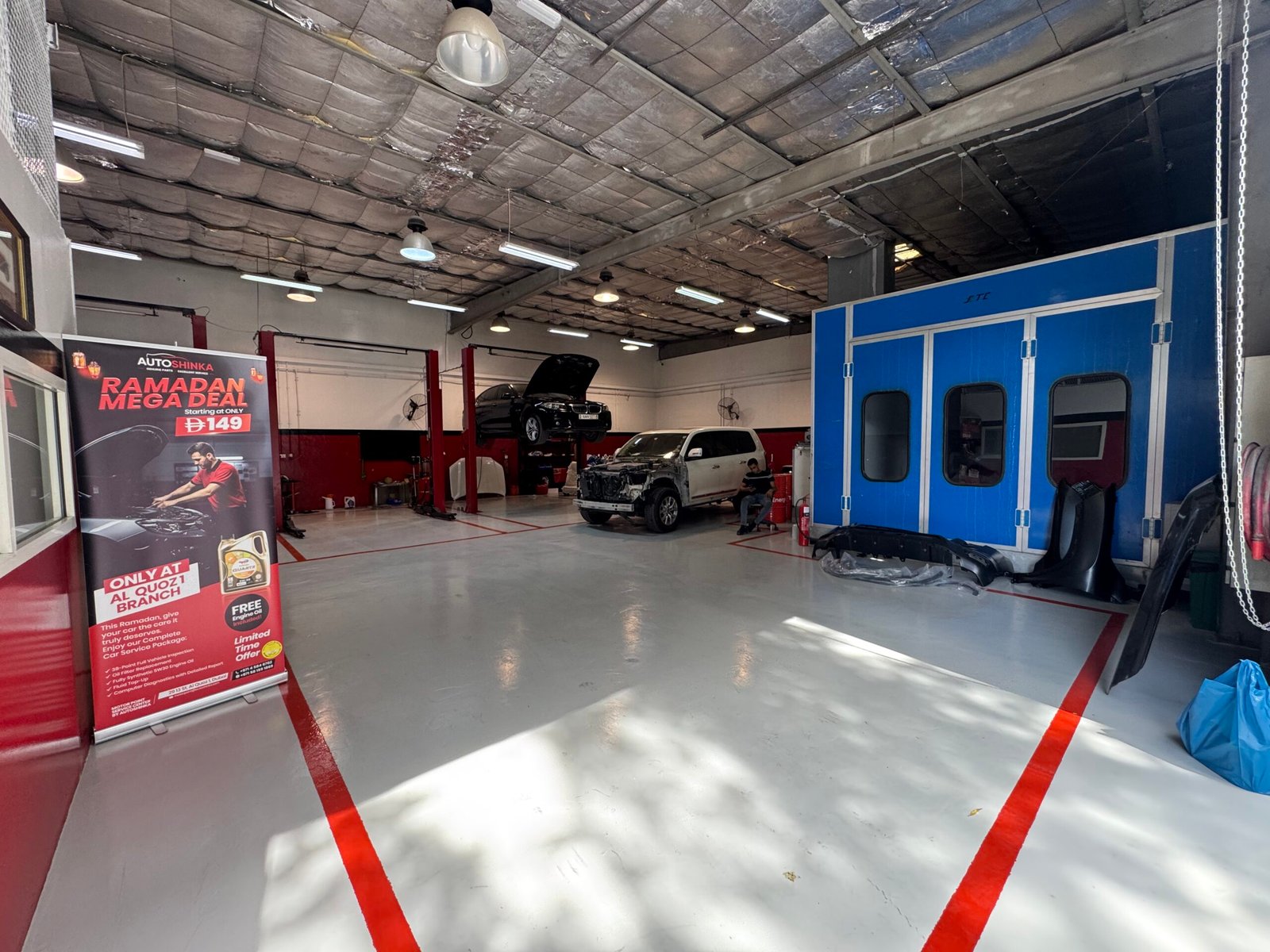
At Autoshinka Car Service Centre, we provide dependable brake pad replacement Dubai drivers trust, backed by thorough inspections and honest recommendations. You get safer stopping power, clear pricing, and lasting results.
Frequently Asked Questions
1. How long do brake pads usually last?
Most brake pads last between 30,000 and 70,000 kilometers, depending on driving style, traffic conditions, and climate. Frequent stop-and-go driving in Dubai’s heat can shorten this lifespan, so regular checks are recommended.
2. Is it safe to drive with worn brake pads?
Driving with worn brake pads is not safe, as it increases stopping distance and can damage your rotors. If you notice any warning signs of brake pad wear, it’s best to get your brakes inspected as soon as possible.
3. What does it mean if my brakes squeak but there’s plenty of pad left?
Occasional squeaking with healthy pad thickness can be caused by dust, moisture, or pad material glazing rather than actual wear. However, persistent squealing should still be checked to rule out early-stage wear or a misaligned wear indicator.
Don’t Wait Until It’s Too Late
Recognizing the warning signs of brake pad wear- squealing, grinding, vibration, a soft pedal, or pulling to one side- gives you the chance to act before a simple fix turns into a costly repair. In Dubai’s demanding driving conditions, staying ahead of brake wear isn’t just about saving money, it’s about staying safe.
Noticed any of these warning signs? Book a brake inspection with Autoshinka Car Service Centre today and get back on the road with confidence. Contact us to book your appointment at our Dubai workshops.