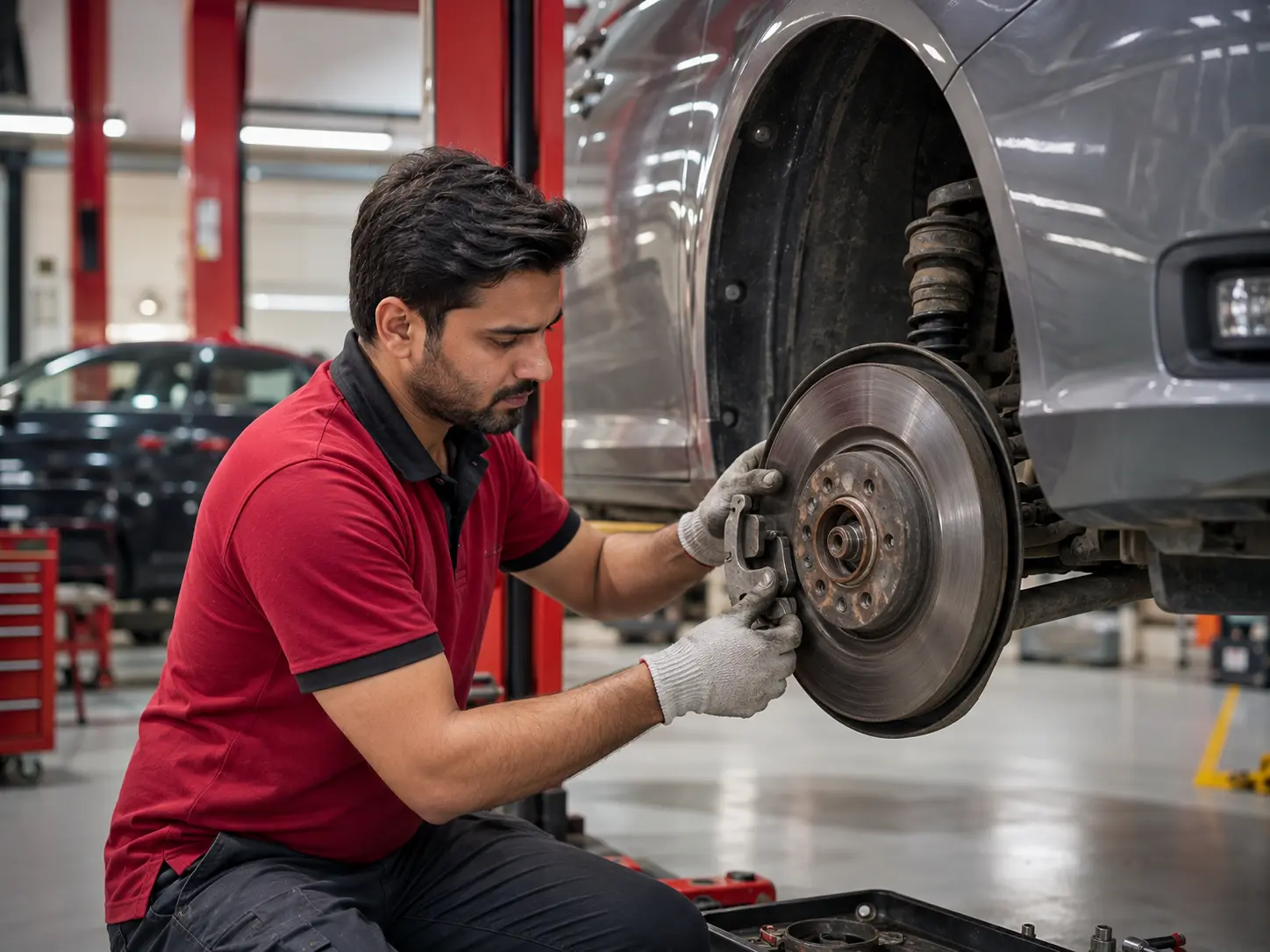
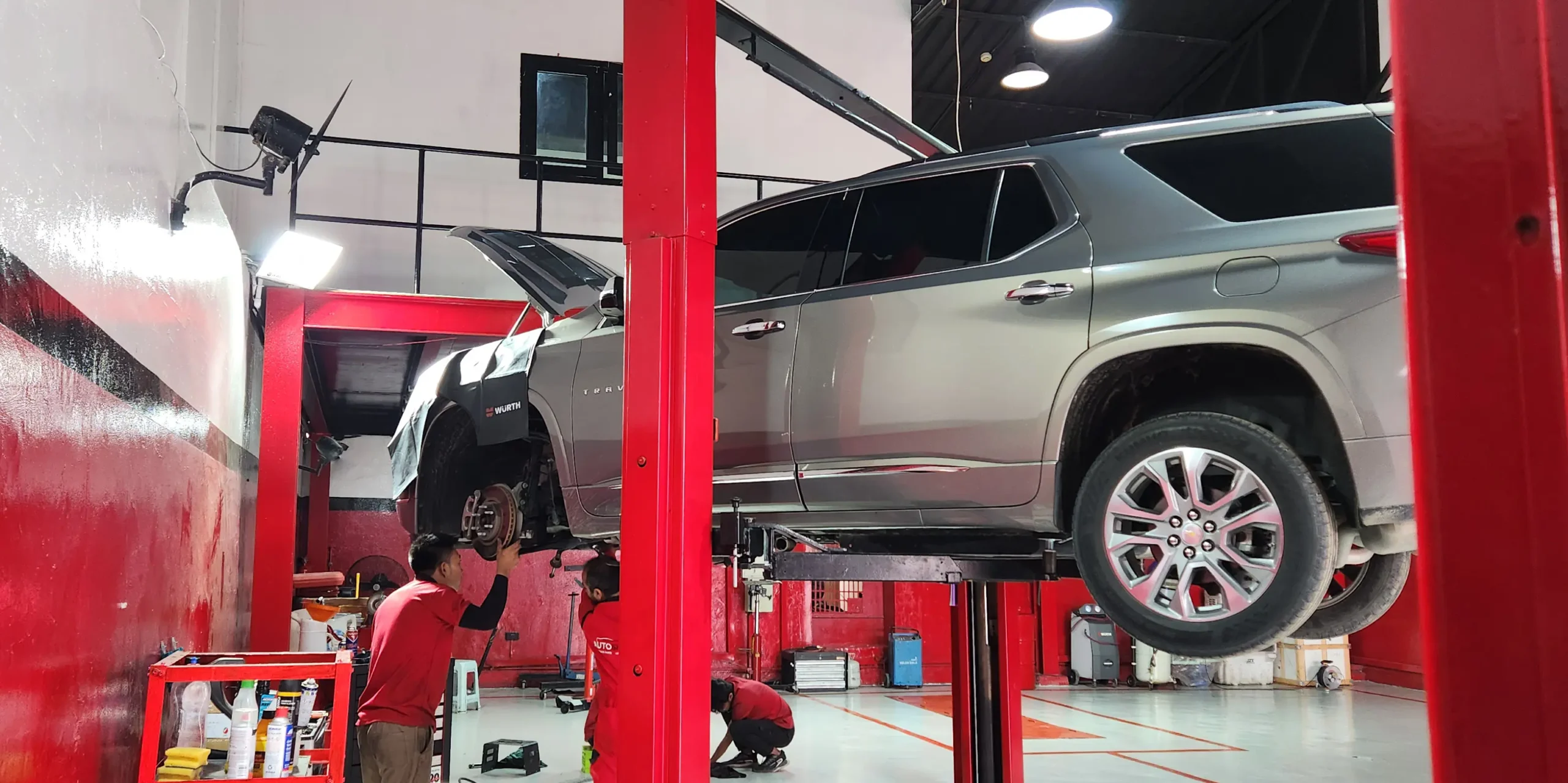
In the UAE, replace your car tyres as soon as the tread wears low, the rubber is more than five to six years old, or you spot cracks and bulges from the intense heat. Choosing to replace your car tyres on time is one of the most important steps for safe driving on hot Emirati roads.
Tyres are the only part of your car that touches the road, so their condition directly affects braking, grip, and control. The UAE’s high temperatures, long highways, and desert sand make tyres wear and age faster than in cooler climates. This guide explains the exact signs to watch for, how to check them, and when it is time to fit a new set.
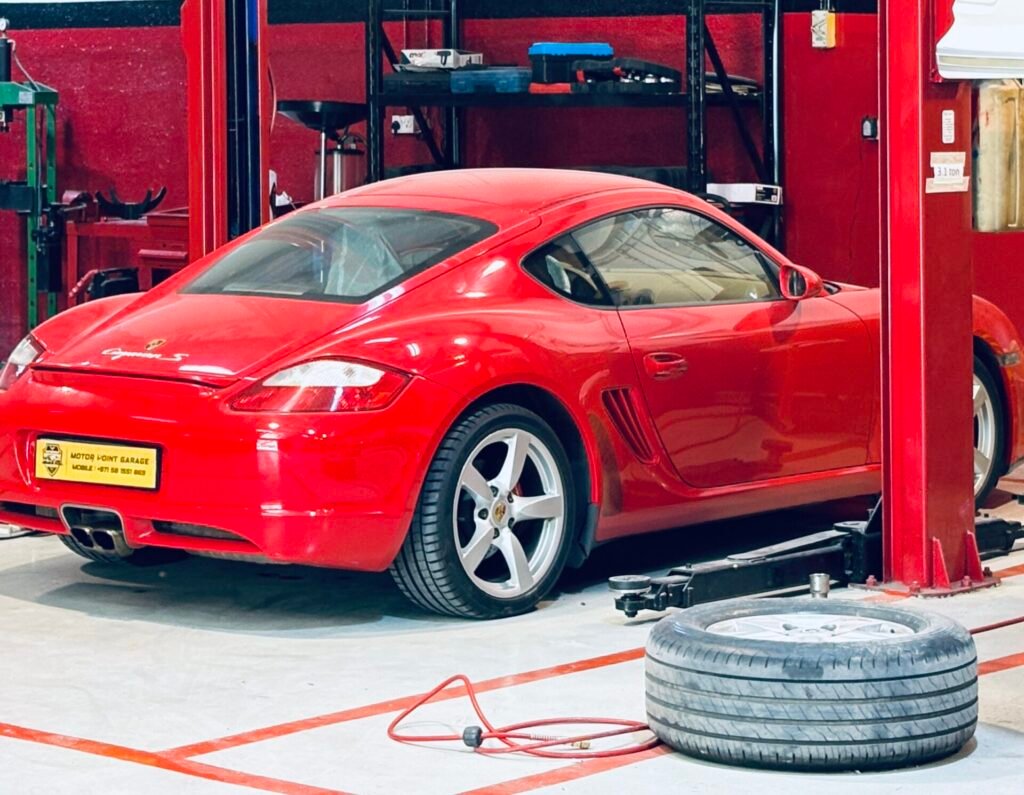
When Should You Replace Your Car Tyres? The Quick Answer
You should replace your car tyres when the tread drops below the safe limit, when the rubber is more than five to six years old, or when you notice cracks, bulges, or repeated punctures. Any one of these signs is reason enough to act.
Waiting too long is risky. Worn or aged tyres take longer to stop, lose grip in the rain, and are far more likely to blow out in extreme heat.
Why UAE Heat Wears Car Tyres Faster
The UAE’s climate is tough on tyres. Road surface temperatures in summer can climb well above the air temperature, which speeds up rubber ageing and tread wear.
Heat also raises tyre pressure, and both under-inflated and over-inflated tyres wear unevenly. Add long motorway drives and fine desert sand, and it is easy to see why UAE tyres often need replacing sooner than the maker’s mileage estimate.
Why Driving on Worn Tyres Is Dangerous
Worn tyres are one of the leading causes of avoidable accidents. As the tread wears down, the tyre struggles to clear water and grip the road, which increases stopping distances.
In the UAE’s heat, thin or aged rubber is also more likely to overheat and fail at highway speeds. Replacing tyres on time protects you, your passengers, and everyone else on the road.
Key Signs You Need New Tyres
Watch for these clear warning signs that it is time for a tyre change:
• Shallow tread: the pattern looks smooth or nearly flat.
• Cracks or dry rot: fine lines in the sidewall caused by heat and age.
• Bulges or blisters: weak spots that can burst without warning.
• Vibration: shaking through the steering wheel at speed.
• Frequent punctures: repeated flats or slow air leaks.
• Uneven wear: one edge balder than the other.
If you notice any of these, book a tyre inspection straight away.
How to Check Your Tyre Tread Depth
Tread depth is the easiest way to judge tyre health. The legal minimum in the UAE is 1.6 millimetres, but it is safer to replace tyres before they reach that point.
For a quick home test, insert a coin into the tread groove. If most of the coin’s border stays visible, the tread is too shallow and the tyre needs replacing. Most tyres also have built-in wear bars that sit level with the tread when it is time to change.
How Old Is Too Old? Understanding Tyre Age
Even tyres with good tread can be unsafe if they are old. Rubber hardens and cracks over time, and the UAE’s heat speeds this up.
Most manufacturers suggest replacing tyres every five to six years, and no later than ten years from the production date. You can find that date on the sidewall as a four-digit code, where the first two digits are the week and the last two are the year.
Tyre Replacement Guide: Signs and Actions
Use this quick reference to decide when to replace your car tyres or have them checked:
| Warning Sign | What It Means | Recommended Action |
| Tread below 1.6 mm | Poor grip, longer braking | Replace now |
| Age over 5-6 years | Rubber is hardening | Inspect and plan replacement |
| Sidewall cracks | Heat and age damage | Replace soon |
| Bulge or blister | High blowout risk | Replace immediately |
| Steering vibration | Balance or wear issue | Get tyres checked |
| Uneven wear | Likely alignment fault | Align wheels and inspect |
Simple Tyre Care Tips for UAE Roads
Good habits help your tyres last longer and stay safe in the heat:
• Check tyre pressure monthly, ideally in the morning when tyres are cool.
• Rotate your tyres regularly so they wear evenly.
• Get a wheel alignment if the car pulls to one side.
• Avoid overloading the vehicle during summer heat.
• Inspect all tyres before any long road trip.
The 4-Point Tyre Health Check: The Autoshinka Framework
Before every UAE summer, we recommend a simple four-point check. If any point fails, it is time to visit a garage:
1. Tread: measure the depth and look for wear bars.
2. Age: read the four-digit date code on the sidewall.
3. Damage: scan for cracks, bulges, and deep cuts.
4. Pressure: confirm the correct level for hot conditions.
Where to Replace Your Car Tyres in Dubai
Choose a workshop with genuine tyres, proper fitting tools, and wheel balancing. Correct fitting and alignment matter just as much as the tyres themselves.
At Autoshinka, our team handles tyre replacement and balancing plus wheel alignment for all car brands, helping you stay safe on UAE roads. We also check pressure and tread at the same time, so you leave with tyres that are ready for the heat.
What Affects Tyre Replacement Cost in the UAE?
The cost to replace your car tyres in the UAE depends on several factors, so prices vary from one car to the next. The main things that shape the final price include:
• Tyre brand and quality: premium tyres cost more but often last longer.
• Car size and tyre specification: larger wheels and performance sizes cost more.
• Number of tyres: whether you change one, two, or all four.
• Added services: balancing and wheel alignment fitted at the same time.
Fitting good tyres correctly usually costs less over the long run, because they wear evenly and stay safe for longer in the heat.
Frequently Asked Questions
How often should you change car tyres in the UAE?
Most drivers should replace their tyres every five to six years, or sooner if the tread wears low or the rubber cracks. The UAE’s heat can shorten this, so check your tyres at least twice a year.
What is the legal tyre tread depth in the UAE?
The minimum legal tread depth in the UAE is 1.6 millimetres. Driving on tyres below this limit is unsafe and can lead to fines, so it is best to replace them before they reach it.
Can I replace just one tyre or should I change all four?
You can replace a single damaged tyre, but it is best to change them in pairs on the same axle for balanced grip. If the other tyres are also worn or old, replacing all four is the safest choice.
Don’t Wait Too Long
So, when should you replace your car tyres in the UAE? Replace them the moment the tread wears low, the rubber ages past five to six years, or you spot cracks and bulges. Acting early keeps you safe and saves money on avoidable damage.
Not sure if your tyres are still road-safe?
Book a tyre check with Autoshinka today and drive Dubai’s roads with total confidence. Contact us to schedule your appointment at our Dubai workshops.